


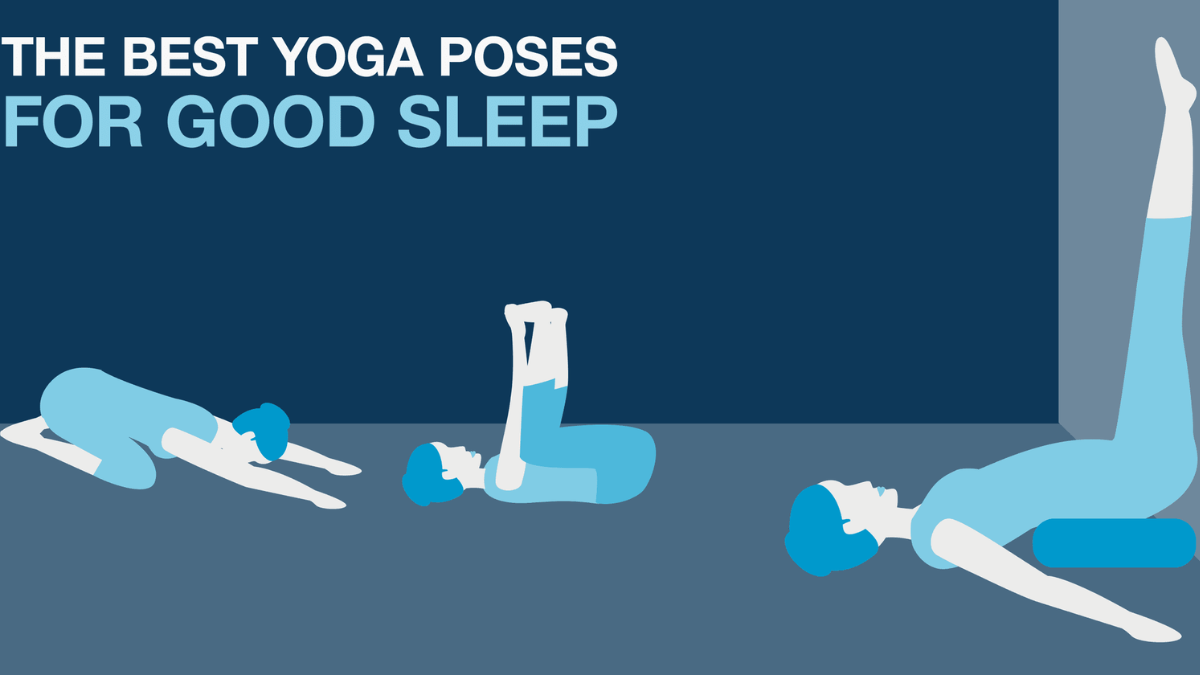
A good night’s sleep is one of the most powerful forms of self-care. Yet for many people, winding down at night can feel harder than it should. Racing thoughts, body tension, screen time, stress, and irregular routines can all make restful sleep elusive. The good news? A simple evening yoga practice can help calm your nervous system, release physical tightness, and prepare both your body and mind for deep, restorative rest.
Yoga is not just about flexibility or fitness—it’s also a highly effective relaxation tool. Certain gentle poses activate the parasympathetic nervous system, often called the “rest and digest” mode, which can lower stress hormones, slow your heart rate, and create the conditions your body needs to fall asleep naturally. Practicing even 10–20 minutes of relaxing yoga before bed can make a noticeable difference in how quickly you fall asleep, how deeply you sleep, and how refreshed you feel the next morning.

In this article, we’ll explore why yoga supports better sleep, the best yoga poses to practice before bed, how to build a calming nighttime routine, and answers to frequently asked questions.
Why Yoga Helps You Sleep Better
Modern life keeps many of us in a near-constant state of stimulation. Even after we stop working, our nervous systems may still be “on.” This is where yoga becomes especially valuable.
Gentle yoga before bed can help by:
- Reducing stress and anxiety: Slow movement and mindful breathing help quiet mental chatter.
- Releasing muscle tension: Tight hips, shoulders, neck, and lower back can create physical discomfort that interferes with sleep.
- Improving circulation: Mild stretching supports blood flow and reduces restlessness.
- Regulating breath: Deep, controlled breathing signals the body that it’s safe to relax.
- Creating a sleep ritual: Repeating the same calming sequence nightly trains your brain to associate these movements with bedtime.

The key is choosing restorative, slow, and gentle poses—not energizing or intense yoga styles that may stimulate the body too much at night.
Best Yoga Poses to Help You Sleep Better
Below are some of the most effective yoga poses for promoting relaxation and better sleep. Hold each pose slowly, breathe deeply, and never force your body into discomfort.
1. Child’s Pose (Balasana)
Why it helps:
Child’s Pose is one of the most grounding yoga poses. It gently stretches the back, hips, and thighs while encouraging inward focus and deep breathing.
How to do it:
- Kneel on the floor or bed.
- Bring your big toes together and separate your knees slightly.
- Sit your hips back toward your heels.
- Fold forward and extend your arms in front of you, or let them rest by your sides.
- Rest your forehead on the mat or a pillow.
Hold for: 1–3 minutes
Benefits for sleep:
- Relieves lower back tension
- Soothes the nervous system
- Encourages slow, diaphragmatic breathing
Tip: Place a pillow or folded blanket under your chest or forehead for extra comfort.
2. Legs Up the Wall (Viparita Karani)
Why it helps:
This is one of the best bedtime poses for relaxation. It reduces swelling in the legs, eases fatigue, and calms the mind almost instantly.
How to do it:
- Sit sideways next to a wall.
- Gently swing your legs up the wall as you lie back.
- Adjust so your hips are close to or slightly away from the wall.
- Let your arms rest by your sides, palms facing up.
Hold for: 5–10 minutes
Benefits for sleep:
- Relieves tired legs and feet
- Reduces physical restlessness
- Encourages full-body relaxation
- Helps transition from “doing” to “resting”
Tip: Place a folded blanket under your hips for a restorative variation.
3. Reclining Bound Angle Pose (Supta Baddha Konasana)
Why it helps:
This heart-opening, hip-releasing pose is deeply calming and excellent for reducing emotional and physical tension.
How to do it:
- Lie on your back.
- Bring the soles of your feet together.
- Let your knees fall out to the sides.
- Place cushions or pillows under your knees if needed.
- Rest one hand on your belly and one on your heart.
Hold for: 3–5 minutes
Benefits for sleep:
- Opens tight hips
- Encourages chest expansion and deeper breathing
- Helps release accumulated stress from the day
Tip: This pose becomes especially soothing when paired with slow inhales and long exhales.
4. Seated Forward Fold (Paschimottanasana)
Why it helps:
Forward folds are naturally calming because they draw your attention inward and help reduce mental stimulation.
How to do it:
- Sit with your legs extended in front of you.
- Inhale to lengthen your spine.
- Exhale and fold forward from the hips.
- Rest your hands on your legs, ankles, or feet—wherever feels comfortable.
- Keep your knees slightly bent if needed.
Hold for: 1–3 minutes
Benefits for sleep:
- Stretches the hamstrings and lower back
- Calms the brain
- Helps reduce stress and fatigue
Tip: Place a pillow over your legs and rest your chest on it for a more restorative version.
5. Supine Spinal Twist (Supta Matsyendrasana)
Why it helps:
Twists help release tension in the spine and lower back while creating a gentle massage effect for the abdominal area, which can also aid digestion before sleep.
How to do it:
- Lie on your back.
- Hug one knee into your chest.
- Guide it across your body toward the opposite side.
- Extend the opposite arm out and turn your gaze gently in the other direction.
- Repeat on both sides.
Hold for: 1–2 minutes per side
Benefits for sleep:
- Releases spinal tension
- Eases lower back tightness
- Encourages a sense of letting go
Tip: Place a pillow under the bent knee if it doesn’t comfortably reach the floor.
6. Happy Baby Pose (Ananda Balasana)
Why it helps:
This playful but soothing pose gently stretches the inner thighs, hips, and lower back—areas that often hold tension from sitting all day.
How to do it:
- Lie on your back.
- Bend your knees toward your chest.
- Hold the outsides of your feet or your shins.
- Keep your knees wide and ankles stacked over your knees.
- Gently rock side to side if it feels good.
Hold for: 1–2 minutes
Benefits for sleep:
- Releases the hips and lower back
- Reduces stiffness from prolonged sitting
- Encourages relaxation through gentle movement
Tip: Avoid pulling too hard; keep the pose soft and comfortable.
7. Cat-Cow Stretch (Marjaryasana-Bitilasana)
Why it helps:
Although often used as a warm-up, Cat-Cow can be a great bedtime movement when done slowly. It relieves spinal stiffness and synchronizes movement with breath.
How to do it:
- Come onto hands and knees.
- Inhale, arch your back, lift your chest and tailbone (Cow).
- Exhale, round your spine and tuck your chin (Cat).
- Continue slowly with your breath.
Repeat for: 6–10 slow rounds
Benefits for sleep:
- Releases tension in the spine
- Connects movement and breath
- Helps shift your focus away from racing thoughts
Tip: Move slowly and smoothly rather than vigorously.
8. Standing Forward Fold (Uttanasana)
Why it helps:
This gentle inversion can help quiet the nervous system and release tension in the neck, shoulders, and back.
How to do it:
- Stand with feet hip-width apart.
- Bend your knees generously.
- Fold forward and let your torso drape over your legs.
- Hold opposite elbows or let your arms hang.
Hold for: 30 seconds–1 minute
Benefits for sleep:
- Lengthens the back body
- Releases shoulder and neck tension
- Promotes calm through a mild inversion
Tip: Keep your knees bent to protect your lower back and make the pose restful rather than intense.
9. Corpse Pose (Savasana)
Why it helps:
Savasana is the ultimate relaxation pose. It teaches the body how to fully rest and is ideal as the final pose in your bedtime sequence.
How to do it:
- Lie flat on your back.
- Let your feet fall outward naturally.
- Rest your arms by your sides with palms facing up.
- Close your eyes.
- Focus on soft, natural breathing.
Hold for: 5–10 minutes
Benefits for sleep:
- Promotes total body relaxation
- Reduces mental tension
- Encourages a meditative, sleep-ready state
Tip: Cover yourself with a blanket to stay warm and cozy.
10. Knees-to-Chest Pose (Apanasana)
Why it helps:
This simple pose gently massages the lower back and belly while promoting a feeling of safety and comfort.
How to do it:
- Lie on your back.
- Hug both knees into your chest.
- Hold your shins or wrap your arms around your legs.
- Breathe slowly and deeply.
Hold for: 1–2 minutes
Benefits for sleep:
- Relieves lower back tightness
- Supports digestion
- Helps you feel grounded and secure
Tip: Gently rock side to side for a mini lower-back massage.
A Simple 15-Minute Bedtime Yoga Routine
If you want a practical sequence, try this calming 15-minute routine before bed:
- Cat-Cow Stretch – 2 minutes
- Child’s Pose – 2 minutes
- Seated Forward Fold – 2 minutes
- Supine Spinal Twist – 2 minutes (1 minute each side)
- Happy Baby Pose – 1 minute
- Legs Up the Wall – 4 minutes
- Savasana – 2 minutes
This sequence is gentle, restorative, and designed to ease both mental and physical tension without overstimulating the body.
Tips to Get the Most Sleep Benefits from Yoga
To make your bedtime yoga routine more effective, keep these tips in mind:
1. Practice in Dim Light
Bright lights can interfere with melatonin production. Use soft lighting or a bedside lamp.
2. Avoid Intense Flows at Night
Skip power yoga, fast vinyasa, or anything that raises your heart rate significantly.
3. Focus on Breathing
Try inhaling for a count of 4 and exhaling for a count of 6. Longer exhalations encourage relaxation.
4. Be Consistent
Doing the same 10–15 minute sequence each night helps signal to your body that it’s time for sleep.
5. Use Props
Blankets, pillows, and bolsters make poses more comfortable and restorative.
6. Stay Off Your Phone After Practice
Try to move straight from yoga into bed instead of scrolling.
7. Listen to Your Body
Bedtime yoga should feel soothing, not effortful. If a pose causes discomfort, modify or skip it.
Who Should Be Careful?
While these poses are generally safe, you should use caution if you have:
- Recent injuries (especially neck, spine, hips, or knees)
- Chronic pain conditions
- Pregnancy (some poses may need modifications)
- Glaucoma or conditions affected by inversions
- Severe vertigo or balance issues
If you have a medical condition or are recovering from injury, it’s best to consult a healthcare provider or a qualified yoga instructor before starting a new practice.
Conclusion
If falling asleep feels like a struggle or you often wake up feeling tired, adding gentle yoga to your evening routine can be a simple yet powerful solution. The right poses help release muscle tension, slow the breath, quiet the mind, and shift your body into a deeply restful state. Over time, this consistent ritual can improve not only how fast you fall asleep, but also the quality of your sleep and how refreshed you feel when you wake up.
The beauty of bedtime yoga is that it doesn’t need to be complicated. You don’t need advanced flexibility, special equipment, or a long practice. Just a few calming poses—like Child’s Pose, Legs Up the Wall, Supine Twist, and Savasana—can create a meaningful difference. Start small, stay consistent, and allow your nightly yoga practice to become a gentle bridge between the busyness of the day and the rest your body truly needs.
Sleep is not a luxury—it’s essential. And with yoga, you can make restful sleep feel a little more natural, peaceful, and attainable.
FAQs
1. How long should I do yoga before bed for better sleep?
A bedtime yoga session can be as short as 10 to 20 minutes. Even 5 minutes of gentle stretching and deep breathing can help relax your body and prepare you for sleep.
2. Can yoga really help with insomnia?
Yoga may help reduce stress, anxiety, and muscle tension, which are common contributors to insomnia. While it’s not a cure-all, many people find that a regular bedtime yoga routine improves sleep quality and helps them fall asleep faster.
3. What type of yoga is best before sleep?
The best types are gentle, restorative, yin, or slow stretching-based yoga. Avoid stimulating styles like power yoga or intense vinyasa right before bed.
4. Is it okay to do yoga in bed?
Yes, many gentle poses like Knees-to-Chest, Supine Twist, Reclining Bound Angle, and Savasana can be done on a bed. However, a firm surface may provide better support for some poses.
5. Should I do yoga before or after brushing my teeth and getting into bed?
It’s usually best to do yoga as the last calming activity before sleep, ideally after most of your nighttime routine is complete. That way, you can move straight into bed afterward.
6. Can beginners do these poses?
Absolutely. These poses are beginner-friendly and can be modified with pillows, blankets, or blocks for comfort. The goal is relaxation, not perfect form.
7. Can yoga help me wake up feeling more refreshed?
Yes. By improving sleep quality and helping your body fully relax before bed, yoga can support deeper, more restorative rest—making it easier to wake up feeling recharged.
8. Is it bad to fall asleep during Savasana?
Not at all! If you drift off during Savasana at bedtime, that often means your body needed the rest. It can actually be a sign that the practice is working.