
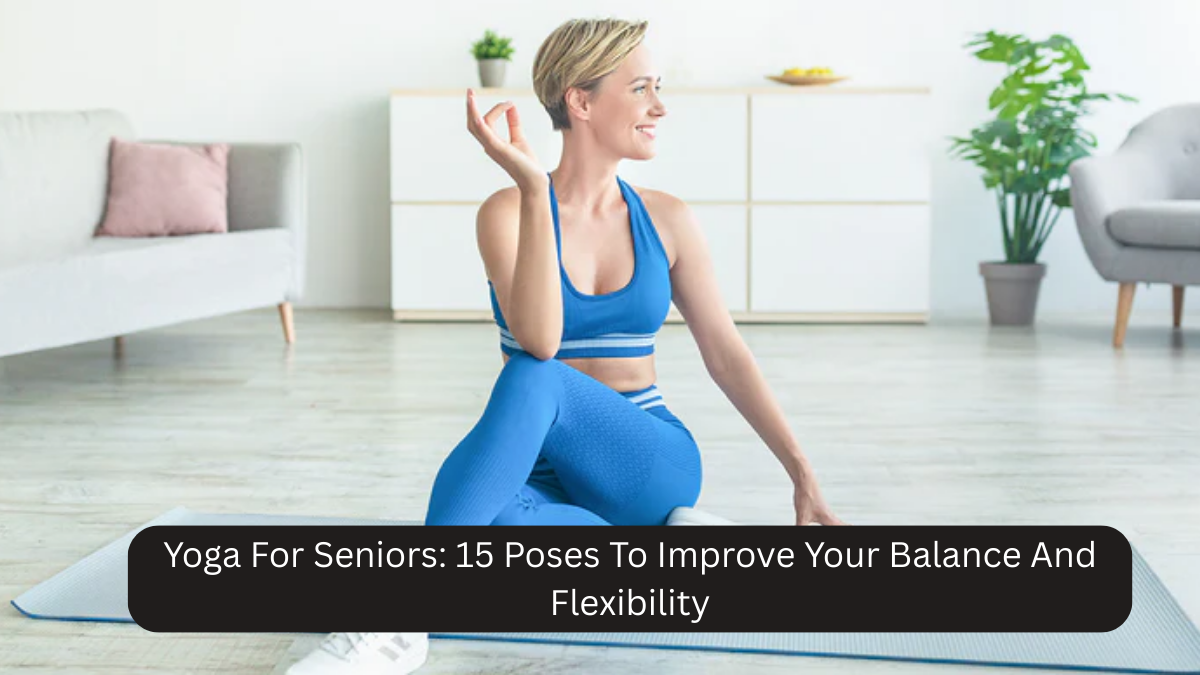
As we age, maintaining physical health, balance, and flexibility becomes increasingly important. Yoga is one of the most effective practices for seniors because it combines gentle movement, stretching, and mindfulness. Practicing yoga regularly can help reduce the risk of falls, relieve joint stiffness, improve posture, and enhance overall well-being.
In this article, we explore 15 yoga poses for seniors that are safe, effective, and designed to improve balance, flexibility, and strength.
Benefits of Yoga for Seniors

Before diving into specific poses, it’s important to understand why yoga is highly recommended for older adults:
- Improves Balance and Stability
Yoga poses engage core muscles and enhance proprioception, which helps prevent falls and injuries. - Increases Flexibility
Gentle stretching helps maintain joint mobility, reducing stiffness and discomfort. - Strengthens Muscles
Many poses involve weight-bearing exercises, strengthening legs, arms, and core muscles. - Supports Mental Health
Yoga encourages mindfulness, reducing stress, anxiety, and improving cognitive function. - Boosts Circulation and Heart Health
Gentle yoga improves blood flow and supports cardiovascular health.
15 Yoga Poses for Seniors
These poses are designed to be gentle yet effective. Seniors should practice them slowly, using props such as chairs, blocks, or straps if needed.
1. Mountain Pose (Tadasana)
- Stand with feet hip-width apart.
- Engage your thighs and lift your chest.
- Relax shoulders and extend arms alongside your body.
Benefits: Improves posture, balance, and body awareness.
2. Tree Pose (Vrikshasana)
- Stand on one leg, placing the sole of the other foot on the inner thigh or calf.
- Bring hands to prayer position at the chest.

Benefits: Enhances balance, strengthens legs, and improves concentration.
Tip: Hold onto a chair for support if needed.
3. Chair Pose (Utkatasana)
- Stand with feet together.
- Bend knees slightly as if sitting in a chair.
- Raise arms overhead, keeping shoulders relaxed.
Benefits: Strengthens thighs, calves, and lower back.
4. Cat-Cow Stretch (Marjaryasana-Bitilasana)
- Start on hands and knees.
- Inhale, arch your back and lift your head and tailbone (Cow).
- Exhale, round your spine and tuck your chin (Cat).
Benefits: Improves spinal flexibility and relieves back tension.
5. Seated Forward Bend (Paschimottanasana)
- Sit with legs extended forward.
- Inhale, lengthen your spine.
- Exhale, hinge at the hips and reach toward your feet.
Benefits: Stretches hamstrings, spine, and shoulders.
Tip: Use a strap around the feet if flexibility is limited.
6. Warrior II Pose (Virabhadrasana II)
- Step one foot back, bend the front knee.
- Extend arms parallel to the floor.
- Gaze over the front hand.
Benefits: Strengthens legs, hips, and improves stability.
7. Bridge Pose (Setu Bandhasana)
- Lie on your back, bend knees, and place feet flat on the floor.
- Press hips upward while keeping shoulders grounded.
Benefits: Strengthens lower back, glutes, and opens the chest.
8. Cobra Pose (Bhujangasana)
- Lie on your stomach, hands under shoulders.
- Lift chest gently using back muscles.
Benefits: Strengthens spine, stretches chest and shoulders.
9. Downward Facing Dog (Adho Mukha Svanasana)
- Start on hands and knees.
- Lift hips upward, forming an inverted V shape.
- Keep knees slightly bent if hamstrings are tight.
Benefits: Improves flexibility, strengthens arms and legs, enhances circulation.
10. Side Stretch (Parsva Tadasana)
- Stand tall, feet hip-width apart.
- Raise one arm overhead and gently bend sideways.
- Repeat on the other side.
Benefits: Stretches the sides of the body, improves lung capacity.
11. Seated Spinal Twist (Ardha Matsyendrasana)
- Sit with legs extended.
- Bend one knee, place foot outside opposite thigh.
- Twist gently toward the bent knee.
Benefits: Improves spinal flexibility, digestion, and detoxification.
12. Legs Up the Wall (Viparita Karani)
- Sit sideways near a wall.
- Lie back and extend legs up against the wall.
Benefits: Reduces swelling in legs, relaxes the nervous system, and improves circulation.
13. Supported Warrior I (Using Chair)
- Place a chair in front.
- Step one foot back and lean slightly on the chair for support.
- Raise arms overhead.
Benefits: Builds leg strength and confidence in balance.
14. Standing Side Leg Raise
- Stand with one hand on a chair for balance.
- Lift one leg sideways slowly, then lower it.
Benefits: Strengthens hip muscles, improves stability and coordination.
15. Corpse Pose (Savasana)
- Lie on your back with arms relaxed by your sides.
- Close your eyes and focus on deep breathing.
Benefits: Promotes relaxation, reduces stress, and improves overall well-being.
Tips for Seniors Practicing Yoga
- Use Props: Chairs, straps, or blocks can help maintain stability.
- Move Slowly: Avoid sudden movements to prevent injury.
- Focus on Breathing: Deep, controlled breaths enhance benefits and relaxation.
- Listen to Your Body: Avoid over-stretching or pushing beyond comfort.
- Practice Regularly: Short daily sessions are more effective than infrequent long sessions.
Safety Considerations
- Consult a doctor before starting yoga, especially if you have chronic conditions.
- Avoid poses that cause pain or strain.
- Practice on a non-slip surface to prevent falls.
Conclusion
Yoga for seniors is more than exercise—it’s a holistic practice that enhances balance, flexibility, strength, and mental well-being. The 15 poses mentioned above are safe, effective, and can be easily adapted with support or props. Regular yoga practice helps seniors maintain independence, reduce the risk of falls, and enjoy a healthier, more active lifestyle.
By integrating yoga into daily life, seniors can improve mobility, increase confidence, and cultivate a sense of inner peace and positivity. The key is to practice with patience, consistency, and mindfulness.
Frequently Asked Questions (FAQs)
1. Is yoga safe for seniors with arthritis?
Yes. Many poses can be modified to accommodate arthritis. Using props and avoiding deep bends can prevent joint strain.
2. How often should seniors practice yoga?
Ideally, 3-5 times per week for 20-40 minutes, depending on fitness level and comfort.
3. Do seniors need a yoga instructor?
While beginners benefit from guidance, many poses can be safely practiced at home with proper research and support.
4. Can yoga help improve balance in seniors?
Absolutely. Poses like Tree Pose, Warrior II, and side leg raises strengthen core and leg muscles, enhancing balance.
5. Are chair yoga poses effective?
Yes. Chair yoga provides stability and allows seniors with limited mobility to enjoy the benefits of yoga safely.
6. Can yoga reduce stress in seniors?
Yes. Mindful breathing and gentle stretching in yoga reduce stress and promote relaxation.
7. Do seniors need to do advanced poses?
No. Even basic poses performed regularly offer significant health benefits.