


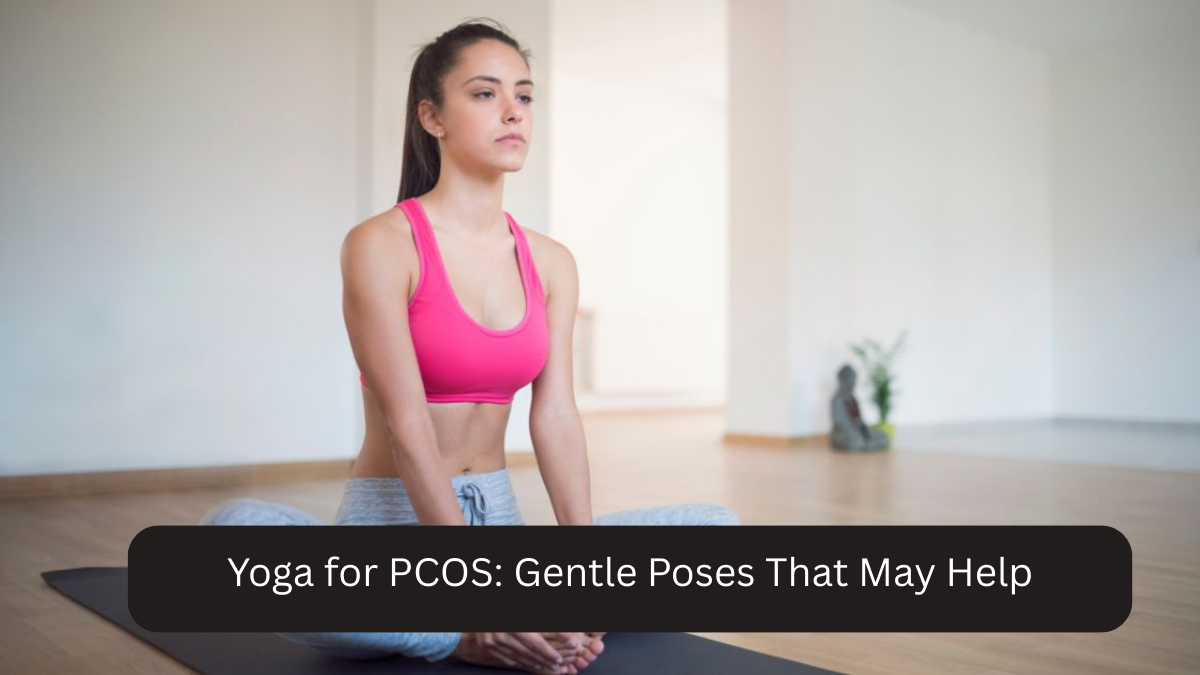
Polycystic Ovary Syndrome (PCOS) is a common hormonal disorder affecting women of reproductive age. It is characterized by irregular periods, hormonal imbalance, weight gain, insulin resistance, and sometimes fertility issues. While medical treatment is essential, lifestyle interventions, particularly yoga, have been found to help manage symptoms effectively.
Yoga is a holistic practice that combines gentle physical postures, breathing exercises, and mindfulness techniques. For women with PCOS, a consistent yoga practice can reduce stress, improve hormonal balance, regulate menstrual cycles, support weight management, and promote overall well-being.


This article explores the benefits of yoga for PCOS, highlights gentle poses suitable for beginners, and provides guidance on incorporating yoga into daily life.
Understanding PCOS and Its Impact
Polycystic Ovary Syndrome occurs when the ovaries produce excess androgens (male hormones) or fail to regularly release eggs. This hormonal imbalance can cause:
- Irregular or absent periods
- Enlarged ovaries with small cysts
- Unexplained weight gain or difficulty losing weight
- Excess hair growth on face or body
- Acne and oily skin
- Mood swings and stress
Managing PCOS often requires a combination of medical treatment, diet, exercise, and stress management. Yoga is especially beneficial because it addresses both physical and mental aspects, which can improve the quality of life for women living with PCOS.
Benefits of Yoga for PCOS

Yoga offers multiple benefits for women with PCOS, including:
1. Hormonal Balance
Certain yoga poses can stimulate the endocrine system, including the ovaries, thyroid, and adrenal glands. Improved endocrine function may help regulate menstrual cycles and reduce androgen levels.
2. Stress Reduction
Women with PCOS often experience high stress levels, which can worsen hormonal imbalance. Yoga incorporates mindful breathing, meditation, and relaxation techniques that reduce stress and lower cortisol levels.
3. Weight Management

PCOS can make weight loss challenging. Gentle yoga poses combined with mindful movement help boost metabolism, burn calories, and improve insulin sensitivity, making weight management more attainable.
4. Enhanced Fertility
Certain poses encourage blood flow to the pelvic region, which can enhance ovarian function and support reproductive health.
5. Improved Mental Well-Being
Yoga encourages mindfulness and body awareness. Practicing regularly can reduce anxiety, improve mood, and increase self-confidence, which is particularly helpful for women coping with PCOS-related stress.
Gentle Yoga Poses for PCOS
While all yoga can benefit overall health, certain gentle poses are specifically effective for women with PCOS. These poses focus on pelvic health, hormonal balance, stress relief, and circulation.
1. Baddha Konasana (Bound Angle Pose)
Benefits: Opens the hips, stimulates ovaries, and improves circulation in the pelvic area.
How to do it:
- Sit on the floor with your legs extended.
- Bring the soles of your feet together, letting your knees fall to the sides.
- Hold your feet with your hands and gently press your knees toward the floor.
- Keep your spine straight and breathe deeply for 1–2 minutes.
2. Supta Baddha Konasana (Reclined Bound Angle Pose)
Benefits: Relieves stress, relaxes pelvic muscles, and supports hormonal balance.
How to do it:
- Lie on your back and bring the soles of your feet together.
- Let your knees fall outward naturally.
- Place your hands on your abdomen or at your sides.
- Hold for 3–5 minutes while taking deep, slow breaths.
3. Setu Bandhasana (Bridge Pose)
Benefits: Stimulates the thyroid, improves blood circulation to pelvic organs, and strengthens the lower back.
How to do it:
- Lie on your back with knees bent and feet hip-width apart.
- Place your arms alongside your body.
- Press your feet into the floor and lift your hips toward the ceiling.
- Hold for 30–60 seconds and breathe steadily.
4. Bhujangasana (Cobra Pose)
Benefits: Opens the chest, improves digestion, stimulates abdominal organs, and reduces stress.
How to do it:
- Lie on your stomach with legs extended and hands under shoulders.
- Press into your palms to lift your chest, keeping elbows slightly bent.
- Draw shoulders back and breathe deeply for 20–30 seconds.
5. Viparita Karani (Legs-Up-the-Wall Pose)
Benefits: Reduces stress, improves blood circulation to the pelvic region, and alleviates fatigue.
How to do it:
- Sit sideways next to a wall.
- Lie back and extend your legs up against the wall.
- Keep your arms relaxed at your sides.
- Stay for 5–10 minutes, focusing on deep, slow breathing.
6. Marjaryasana-Bitilasana (Cat-Cow Pose)
Benefits: Stretches the spine, improves digestion, relieves stress, and promotes pelvic health.
How to do it:
- Start on your hands and knees in a tabletop position.
- Inhale and arch your back (cow pose), lifting your head and tailbone.
- Exhale and round your spine (cat pose), tucking your chin.
- Repeat 10–15 times.
7. Shavasana (Corpse Pose)
Benefits: Complete relaxation, reduces stress, and restores hormonal balance.
How to do it:
- Lie flat on your back with legs slightly apart.
- Close your eyes and let your body relax completely.
- Focus on your breath and stay for 5–10 minutes.
Breathing Exercises for PCOS
In addition to physical postures, pranayama (breathing exercises) can support PCOS management.
1. Nadi Shodhana (Alternate Nostril Breathing)
Balances hormones, calms the mind, and reduces stress.
2. Bhramari (Bee Breath)
Reduces anxiety, improves sleep, and soothes the nervous system.
3. Kapalabhati (Skull-Shining Breath)
Boosts metabolism, improves blood circulation, and energizes the body. (Best practiced under guidance for beginners.)
Tips for Practicing Yoga for PCOS
- Practice consistently—at least 20–30 minutes daily.
- Focus on gentle poses and avoid overstraining.
- Combine yoga with balanced diet and regular walking or light exercise.
- Listen to your body and modify poses as needed.
- Incorporate meditation and relaxation for stress management.
Lifestyle Recommendations Along with Yoga
To enhance the benefits of yoga for PCOS:
- Eat a balanced diet rich in whole grains, fruits, vegetables, and lean protein.
- Avoid excessive sugar and refined carbs.
- Stay hydrated and limit caffeine.
- Prioritize sleep and stress reduction.
- Track menstrual cycles and symptoms to monitor improvements.
Conclusion
Yoga is a gentle and effective tool to help manage PCOS symptoms. While it cannot replace medical treatment, a consistent yoga practice can support hormonal balance, improve fertility, reduce stress, and promote overall health.
Gentle poses such as Baddha Konasana, Supta Baddha Konasana, Bridge Pose, Cobra Pose, Legs-Up-the-Wall, Cat-Cow, and Shavasana are particularly beneficial. Combined with breathing exercises, meditation, and a healthy lifestyle, yoga can empower women to take control of their health and well-being.
By practicing yoga mindfully and consistently, women with PCOS can experience improved physical health, emotional balance, and a greater sense of harmony. Yoga becomes not just a fitness routine but a holistic approach to managing PCOS and nurturing the mind-body connection.
FAQs About Yoga for PCOS
1. Can yoga cure PCOS?
Yoga cannot cure PCOS, but it helps manage symptoms, improve hormonal balance, and reduce stress, which supports overall treatment.
2. How often should women with PCOS practice yoga?
A daily practice of 20–30 minutes is ideal. Even 3–4 days a week can provide benefits.
3. Which yoga poses are most effective for PCOS?
Gentle poses such as Baddha Konasana, Supta Baddha Konasana, Bridge Pose, Cobra Pose, Legs-Up-the-Wall, Cat-Cow, and Shavasana are highly recommended.
4. Can beginners practice yoga for PCOS?
Yes. Beginners should start with gentle poses and simple breathing exercises. Over time, flexibility and stamina will improve.
5. Should yoga be combined with other lifestyle changes for PCOS?
Yes. Yoga is most effective when combined with a balanced diet, regular exercise, stress management, and proper medical care.
6. Can yoga help with PCOS-related weight gain?
Yes. Yoga helps improve metabolism, increase physical activity, and support hormonal balance, which can aid in weight management.
This article provides a comprehensive guide for women with PCOS, offering practical advice on gentle yoga poses, breathing exercises, and lifestyle adjustments that may help improve symptoms and overall well-being.