


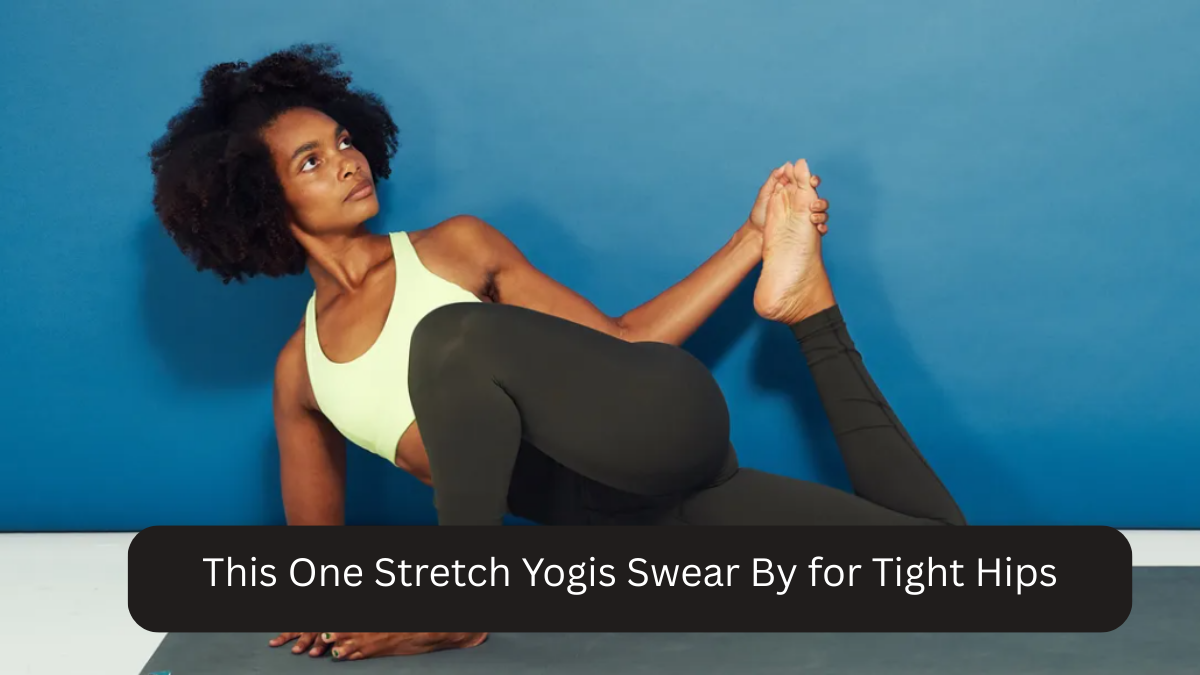
Tight hips are a common issue in modern life. Long hours of sitting at desks, driving, or using electronic devices can cause stiffness and discomfort in the hip area. Over time, this tightness can lead to lower back pain, poor posture, and limited mobility. Fortunately, yoga offers a simple yet highly effective solution. One stretch that many yoga practitioners recommend for relieving tight hips is Pigeon Pose.
This powerful hip-opening stretch has become a favorite among yogis because it deeply targets the hip flexors, glutes, and surrounding muscles. Practicing it regularly can improve flexibility, reduce tension, and support overall body balance.


In this article, we will explore why hips become tight, how this yoga stretch helps, the correct way to perform it, and the benefits it can bring to your daily life.
Why Tight Hips Are So Common
Before understanding the stretch itself, it is important to know why tight hips occur in the first place.
The hips are one of the largest and most important joints in the body. They connect the upper body to the lower body and support activities such as walking, running, bending, and sitting.
However, several lifestyle habits contribute to hip tightness.
Prolonged Sitting
Many people spend hours sitting every day. Sitting for long periods shortens the hip flexor muscles and reduces mobility. Over time, these muscles become stiff and tight.
Lack of Movement
When the body is not regularly stretched or exercised, muscles lose their flexibility. The hips are especially vulnerable because they carry much of the body’s weight.
Stress and Tension
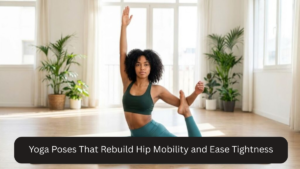
According to yoga philosophy, emotional stress can also accumulate in the hips. Many practitioners believe that stretching the hips helps release both physical and emotional tension.
The Yoga Stretch That Targets Tight Hips
One of the most recommended poses for hip tightness is Pigeon Pose.
Pigeon Pose is known in yoga as Eka Pada Rajakapotasana, which translates to “One-Legged King Pigeon Pose.” It is a deep hip opener that stretches several important muscles, including the glutes, hip flexors, and piriformis muscle.
The pose works by placing one leg forward in a bent position while extending the other leg behind the body. This position allows the hips to open and stretch deeply.
Because of its effectiveness, many yoga instructors include this pose in their routines for improving hip flexibility.
Benefits of Pigeon Pose
Practicing this stretch regularly can offer several physical and mental benefits.
Improves Hip Flexibility
The main benefit of Pigeon Pose is increased flexibility in the hips. By stretching the muscles around the hip joint, the pose helps restore natural mobility and range of motion.
Reduces Lower Back Pain
Tight hips often contribute to lower back discomfort. When hip muscles are stiff, the lower back compensates for limited movement. Stretching the hips can relieve this pressure and reduce pain.
Enhances Posture
Healthy hips play a major role in maintaining good posture. Opening the hips helps align the pelvis and spine, which can improve overall posture.
Supports Athletic Performance
Athletes and active individuals benefit greatly from hip flexibility. Running, cycling, and strength training all require healthy hip mobility.
Relieves Stress
Many yoga practitioners report that hip-opening poses create a sense of emotional release. This can lead to reduced stress and a feeling of relaxation.
How to Perform the Stretch Safely
While Pigeon Pose is powerful, it must be practiced with proper technique to avoid injury.
Follow these steps to perform the stretch safely.
Step 1: Start in Downward Dog
Begin in Downward-Facing Dog, a foundational yoga pose that warms up the body and prepares the hips.
Step 2: Bring One Knee Forward
Slowly bring your right knee forward and place it behind your right wrist. Your right foot should move toward the left side of the mat.
Step 3: Extend the Back Leg
Stretch your left leg straight behind you with the top of the foot resting on the floor.
Step 4: Square the Hips
Try to keep your hips facing forward. This ensures that the stretch targets the hip muscles effectively.
Step 5: Lower Your Upper Body
If comfortable, lower your torso toward the floor and rest your forearms or forehead on the mat.
Step 6: Hold the Pose
Stay in the pose for 30 seconds to one minute while breathing slowly and deeply.
Afterward, switch sides to stretch the other hip.
Modifications for Beginners
For people who are new to yoga or have extremely tight hips, this pose may feel intense. Fortunately, there are simple modifications that can make the stretch more accessible.
Use a Yoga Block or Pillow
Placing a cushion under the hip of the bent leg can reduce strain and make the pose more comfortable.
Keep the Torso Upright
Beginners can remain upright instead of leaning forward. This reduces pressure on the hips.
Practice Gentle Variations
Gradually increasing the stretch over time allows the body to adapt safely.
Common Mistakes to Avoid
Even though Pigeon Pose appears simple, certain mistakes can reduce its effectiveness or cause discomfort.
Forcing the Stretch
Never push your body beyond its natural limit. Stretching should feel challenging but not painful.
Misaligned Hips
If the hips are tilted too far to one side, the stretch may not target the correct muscles.
Holding the Breath
Breathing deeply helps muscles relax and allows the stretch to work more effectively.
Who Should Be Careful with This Stretch
Although Pigeon Pose is beneficial for many people, certain individuals should approach it carefully.
People with the following conditions should consult a healthcare professional before practicing:
- knee injuries
- hip joint problems
- recent surgery
- severe lower back pain
Practicing with guidance from a qualified yoga instructor can also help prevent injury.
Other Stretches That Help Tight Hips
While Pigeon Pose is extremely effective, combining it with other yoga poses can create a well-rounded hip-opening routine.
Some helpful complementary poses include:
- Butterfly Pose
- Lizard Pose
- Low Lunge
Practicing a variety of stretches ensures that all muscles surrounding the hips are engaged.
Building a Regular Stretching Routine
Consistency is the key to improving flexibility.
Practicing hip stretches just a few minutes each day can make a noticeable difference over time.
A simple routine may include:
- warming up with light movement
- practicing Pigeon Pose on both sides
- adding one or two additional hip stretches
- finishing with deep breathing or relaxation
Over weeks and months, the hips gradually become more flexible and comfortable.
Conclusion
Tight hips are a common problem caused by modern lifestyles, particularly prolonged sitting and limited physical activity. However, simple stretching practices can significantly improve hip mobility and overall comfort.
Among the many yoga poses available, Pigeon Pose stands out as one of the most effective stretches for opening the hips. By targeting deep hip muscles and promoting flexibility, it helps relieve tension, support better posture, and reduce lower back pain.
Practicing this stretch regularly and with proper technique can transform the way your body feels and moves. With patience and consistency, even very tight hips can become more flexible and relaxed.
Ultimately, incorporating this stretch into your daily routine is a simple step toward better mobility, improved physical health, and a greater sense of well-being.
Frequently Asked Questions (FAQs)
What is the best yoga stretch for tight hips?
Many yoga practitioners consider Pigeon Pose one of the most effective stretches for relieving tight hips because it deeply targets the glutes and hip flexors.
How long should I hold the stretch?
Holding the stretch for about 30 seconds to one minute on each side is generally recommended for beginners.
Can beginners practice Pigeon Pose?
Yes, beginners can practice it by using modifications such as placing a cushion under the hip or keeping the torso upright.
How often should I stretch tight hips?
Stretching the hips three to five times per week can improve flexibility. Practicing daily may provide even better results.
Why do hips store tension?
According to both physical and yoga perspectives, the hips are involved in many movements and can accumulate tension from prolonged sitting, stress, and lack of stretching.
Can stretching hips reduce back pain?
Yes, improving hip flexibility can relieve pressure on the lower back and may help reduce back pain.