


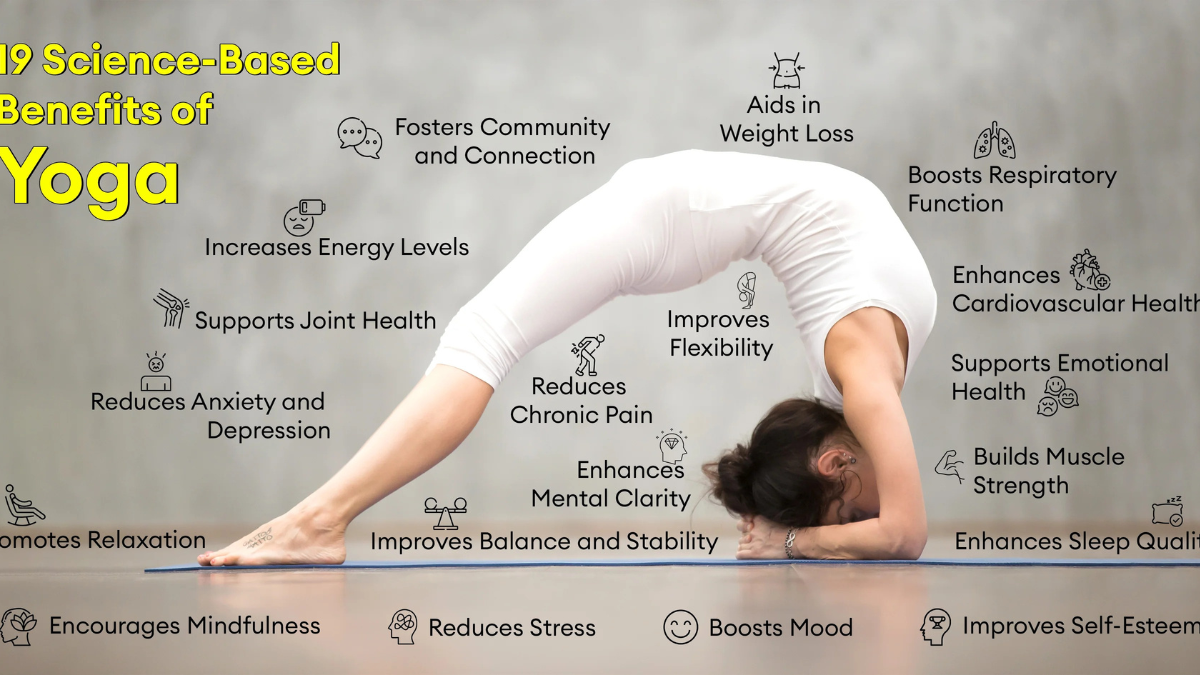
Yoga is more than just a fitness trend—it is a time-tested practice that brings together movement, breathing, and mindfulness to improve overall well-being. Originating in ancient India thousands of years ago, yoga has evolved into a global wellness practice embraced by people of all ages and lifestyles. Whether you are looking to improve flexibility, build strength, reduce stress, or simply create a healthier connection between your mind and body, yoga offers something truly unique.
In today’s fast-paced world, many people struggle with physical tension, mental fatigue, and emotional overwhelm. Long hours at desks, lack of movement, irregular sleep, and constant digital stimulation can leave both the body and mind drained. Yoga acts as a gentle yet powerful remedy. It encourages you to stretch tight muscles, strengthen weak areas, and relax deeply—all while becoming more aware of your breathing and mental state.


One of the greatest advantages of yoga is its accessibility. You don’t need expensive equipment, a gym membership, or advanced athletic ability to begin. From simple beginner poses to advanced flows, yoga can be adapted to suit every fitness level and personal goal. It is equally effective for someone seeking a calming evening routine and for someone aiming to enhance physical endurance and balance.
This article explores the many benefits of yoga for both the mind and body. We will look at how yoga improves physical health, supports mental wellness, enhances emotional resilience, and contributes to a more balanced lifestyle. By the end, you’ll understand why yoga continues to be one of the most effective holistic practices for achieving lasting health and inner peace.
What Is Yoga?
Yoga is a holistic practice that combines physical postures (asanas), breathing techniques (pranayama), and meditation or mindfulness. Unlike many exercise forms that focus only on the body, yoga integrates physical movement with mental awareness and controlled breathing. This combination makes yoga a complete wellness practice rather than just a workout.

There are many styles of yoga, each offering different benefits. Some, like Hatha and Yin Yoga, are slow and restorative, focusing on stretching and relaxation. Others, such as Vinyasa and Power Yoga, are more dynamic and strength-building. Regardless of style, the core purpose remains the same: to create harmony between the body, mind, and breath.
Physical Benefits of Yoga
1. Improves Flexibility
One of the most recognized benefits of yoga is improved flexibility. Many people begin yoga because they feel stiff or tight, especially in areas like the hamstrings, hips, shoulders, and lower back. Regular practice gently stretches muscles and connective tissues, gradually increasing your range of motion.
Better flexibility not only makes daily movements easier but also reduces the risk of injury. Simple activities like bending, reaching, or lifting can become more comfortable when your body is more mobile and balanced.
2. Builds Strength
Yoga may look gentle, but it can be surprisingly effective for building muscular strength. Many poses require you to support your own body weight, which strengthens muscles in the arms, legs, core, and back. Poses like plank, warrior, chair pose, and downward dog develop stability and endurance.
Unlike weightlifting, yoga builds functional strength. This means it strengthens muscles in a way that supports posture, joint health, and everyday movement. A stronger body can also help reduce aches and pains caused by muscle imbalances or poor alignment.
3. Enhances Balance and Coordination
Balance is an essential part of physical health, especially as we age. Yoga includes many standing and single-leg poses that challenge stability and body awareness. Tree pose, eagle pose, and warrior III are excellent examples.
Improved balance can help prevent falls, enhance athletic performance, and increase confidence in movement. Yoga also improves coordination by teaching you how to move mindfully and with control.
4. Supports Better Posture
Modern lifestyles often involve long hours of sitting, looking down at phones, or working on computers. This can lead to poor posture, rounded shoulders, and back pain. Yoga strengthens the muscles that support proper spinal alignment while stretching the muscles that become tight from sitting.
As posture improves, many people notice reduced neck tension, less lower back discomfort, and better breathing capacity. Good posture also contributes to a more confident and energized presence.
5. Relieves Pain and Tension
Yoga is widely used as a natural way to manage physical discomfort. Gentle stretching and mindful movement can ease muscle tension, especially in the back, shoulders, and hips. Certain yoga practices have also been shown to support people with chronic pain conditions, such as lower back pain and arthritis.
The key is consistency and proper technique. Even a few minutes of daily stretching and breathing can help release accumulated tension and improve overall comfort.
Mental and Emotional Benefits of Yoga
6. Reduces Stress
Stress is one of the biggest health challenges in modern life, and yoga is one of the most effective tools for managing it. Through deep breathing, slow movement, and mindful awareness, yoga activates the body’s relaxation response.
When you practice yoga, your nervous system shifts away from the “fight or flight” state and toward a calmer, more balanced mode. This can lower cortisol levels, reduce muscle tension, and create a sense of inner peace.
7. Improves Focus and Mental Clarity
Yoga teaches you to stay present. Instead of thinking about your to-do list or replaying worries, you focus on your breath and the sensations in your body. This mindfulness sharpens concentration and helps clear mental clutter.
Over time, regular yoga practice can improve attention span, decision-making, and mental resilience. Many people find that yoga helps them feel more grounded, productive, and emotionally steady throughout the day.
8. Promotes Better Sleep
If you struggle with restless nights or racing thoughts before bed, yoga can be a valuable addition to your evening routine. Gentle stretches, calming breathwork, and relaxation poses such as child’s pose or legs-up-the-wall can signal to the body that it is time to unwind.
Yoga helps release physical tension while quieting the mind, making it easier to fall asleep and stay asleep. Better sleep, in turn, supports improved mood, energy, and immune function.
9. Supports Emotional Balance
Yoga is not just about flexibility—it also builds emotional awareness. During practice, you learn to observe your thoughts and feelings without judgment. This can help you respond to challenges with greater patience and self-control.
Many people find that yoga helps reduce feelings of anxiety, irritability, and overwhelm. It can also increase self-compassion and emotional resilience, making it easier to navigate daily stress and life changes.
The Connection Between Breath and Well-Being
Breathing is central to yoga. In many styles, movement is linked directly to the breath, creating a rhythm that calms the nervous system and improves body awareness. Yogic breathing techniques, known as pranayama, can have a profound effect on both physical and mental health.
Deep, controlled breathing increases oxygen flow, supports lung function, and helps regulate heart rate. More importantly, it sends a signal to the brain that the body is safe and relaxed. This is why even a few minutes of mindful breathing can instantly reduce stress and anxiety.
Breath awareness also teaches you how to stay centered during discomfort—both on and off the mat. Whether you are holding a challenging pose or facing a difficult day, conscious breathing can help you remain calm and in control.
Yoga for Different Lifestyles and Age Groups
One of yoga’s greatest strengths is that it can be adapted for nearly everyone.
- Beginners: Start with basic poses and gentle stretching to build confidence and awareness.
- Busy professionals: Short yoga sessions can reduce stress, improve posture, and counteract the effects of sitting.
- Athletes: Yoga complements other training by increasing flexibility, mobility, and recovery.
- Older adults: Chair yoga and gentle balance practices support joint health, strength, and fall prevention.
- Students: Yoga can improve concentration, reduce exam stress, and promote emotional balance.
- People recovering from stress or burnout: Restorative yoga offers deep relaxation and nervous system support.
This versatility makes yoga a lifelong practice rather than a short-term fitness routine.
How to Start a Yoga Practice
Beginning yoga does not have to be complicated. Here are a few simple tips:
- Start small: Even 10–15 minutes a day can make a difference.
- Choose the right style: Gentle Hatha or beginner yoga classes are ideal for newcomers.
- Focus on consistency: Practicing regularly is more beneficial than doing long sessions occasionally.
- Listen to your body: Yoga should challenge you, but it should never cause pain.
- Use breath as your guide: If you can breathe steadily, you are likely in a good range for the pose.
- Be patient: Progress in yoga is gradual and deeply personal.
Remember, yoga is not about touching your toes or mastering advanced poses. It is about creating awareness, strength, and balance in a way that supports your unique body and mind.
Conclusion
Yoga is a powerful practice that truly lives up to its promise to stretch, strengthen, and relax. Physically, it improves flexibility, builds strength, enhances posture, supports balance, and relieves tension. Mentally and emotionally, it reduces stress, sharpens focus, promotes better sleep, and fosters inner calm. Unlike many wellness trends, yoga offers a complete and sustainable approach to health by addressing the body and mind together.
What makes yoga especially valuable is its simplicity and adaptability. Whether you are a beginner looking for gentle movement, a professional needing stress relief, or someone seeking a deeper connection with yourself, yoga can meet you where you are. It does not demand perfection—it simply asks for presence, patience, and consistency.
In a world that often pushes us to move faster and do more, yoga reminds us to pause, breathe, and reconnect. By making yoga a regular part of your routine, you can build not only a healthier body but also a calmer, clearer, and more balanced mind. The journey begins with a single breath and a willingness to show up for yourself.
FAQs
1. Is yoga suitable for beginners?
Yes, yoga is highly beginner-friendly. Many classes and online sessions are designed specifically for newcomers. Start with gentle styles like Hatha or beginner yoga and focus on learning basic poses and breathing techniques.
2. How often should I practice yoga to see results?
Practicing yoga 3–5 times a week can bring noticeable benefits, but even 10–15 minutes daily can improve flexibility, reduce stress, and enhance overall well-being. Consistency matters more than duration.
3. Can yoga help with weight loss?
Yoga can support weight loss by increasing physical activity, improving body awareness, reducing stress-related eating, and encouraging healthier habits. More active styles like Vinyasa or Power Yoga may burn more calories.
4. Do I need to be flexible to do yoga?
No. You do not need to be flexible to start yoga. In fact, many people begin yoga because they want to become more flexible. Yoga helps improve flexibility gradually over time.
5. Can yoga replace other forms of exercise?
Yoga can be a complete wellness practice, but whether it replaces other exercise depends on your goals. It improves flexibility, strength, and mental health, but some people may still benefit from adding walking, cardio, or resistance training.
6. What is the best time of day to practice yoga?
The best time is the time you can practice consistently. Morning yoga can boost energy and focus, while evening yoga can help release tension and promote better sleep.
7. Can yoga help reduce anxiety and stress?
Yes, yoga is widely known for its calming effects. Breathing exercises, mindfulness, and gentle movement help regulate the nervous system and reduce feelings of stress and anxiety.