


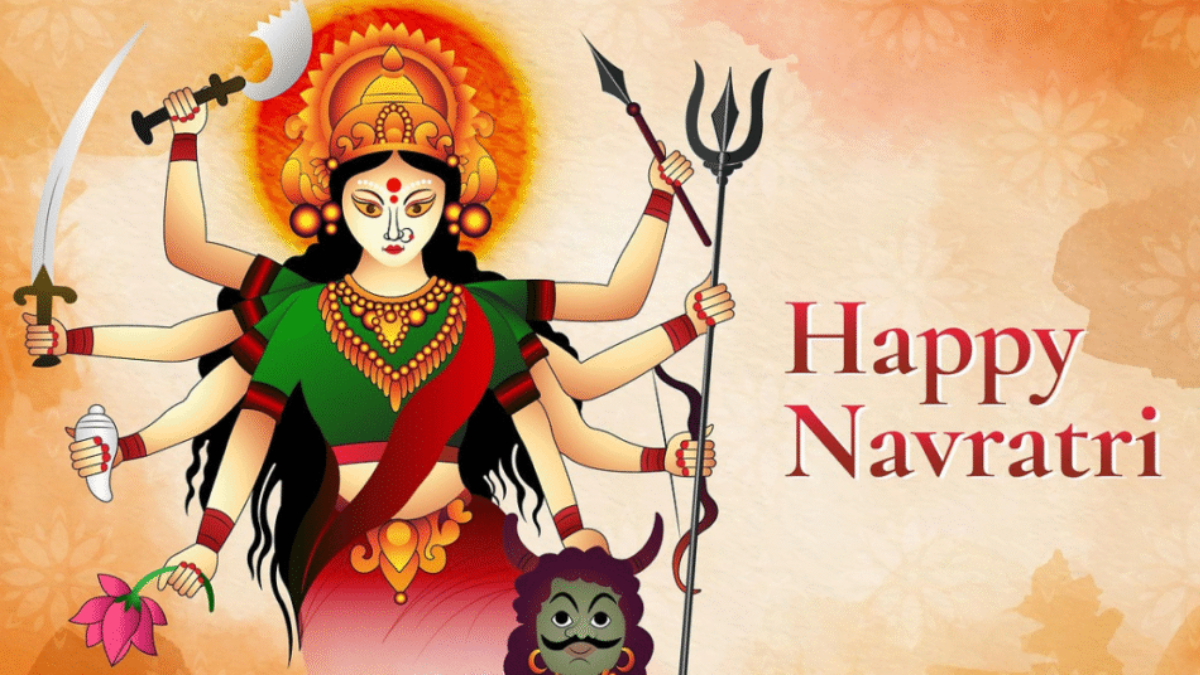
Shardiya Navratri is one of the most important and widely celebrated festivals in Hinduism. Dedicated to the worship of the divine feminine, the festival honors Durga and her nine powerful forms known as the Navadurga. Observed over nine nights and ten days, Navratri represents the victory of divine power over evil forces and symbolizes spiritual awakening, devotion, and self-discipline.
The word “Navratri” comes from two Sanskrit words: Nav, meaning nine, and Ratri, meaning nights. During this sacred period, devotees pray, fast, perform rituals, and celebrate the triumph of righteousness. Shardiya Navratri is followed by Vijayadashami, which marks the victory of good over evil.

This festival holds immense spiritual and cultural importance across India and among Hindu communities worldwide.
Shardiya Navratri 2026 Dates
In 2026, Shardiya Navratri is expected to begin in early October and continue for nine days, ending with Vijayadashami. The festival follows the Hindu lunar calendar and usually starts on the first day of the bright half (Shukla Paksha) of the Ashwin month.
The nine days of Navratri are dedicated to the nine forms of Durga, each representing different qualities and spiritual powers.
The nine forms worshipped during the festival include:
- Shailaputri
- Brahmacharini
- Chandraghanta
- Kushmanda
- Skandamata
- Katyayani
- Kalaratri
- Mahagauri
- Siddhidatri
Each day is devoted to worshipping one form of the goddess and seeking blessings for strength, wisdom, and prosperity.
Mythological Story Behind Shardiya Navratri
The origin of Navratri is closely linked with the legendary battle between Durga and the powerful demon Mahishasura.
According to Hindu scriptures, Mahishasura was a demon who received a powerful blessing that no man or god could defeat him. After gaining this boon, he began creating chaos in the heavens and on earth. The gods were unable to stop him and sought help from the divine feminine energy.
In response, the combined powers of the gods created Durga, a powerful warrior goddess. Armed with divine weapons from different gods, she fought Mahishasura for nine days and nights.
On the tenth day, the goddess finally defeated the demon, restoring peace and balance to the universe. This day is celebrated as Vijayadashami, symbolizing the victory of good over evil.
Spiritual Significance of Navratri
Shardiya Navratri is not only a religious celebration but also a time for spiritual purification and inner transformation.
The festival symbolizes the victory of divine energy over negative forces. The goddess represents Shakti, the cosmic power that sustains the universe. By worshipping Durga, devotees seek strength, courage, wisdom, and protection.
Navratri also represents the journey of the human soul. Each day of worship is believed to remove negative qualities such as anger, greed, pride, and ignorance. Devotees focus on self-discipline, prayer, and meditation to purify their minds and hearts.
Many spiritual teachers believe that the nine days of Navratri symbolize the awakening of inner energy and spiritual growth.
Rituals and Traditions of Shardiya Navratri
Different regions of India celebrate Navratri with unique traditions, but the core rituals remain the same.
Ghatasthapana (Kalash Sthapana)
The festival begins with a sacred ritual known as Ghatasthapana, where a kalash (sacred pot) is placed in the prayer area. The kalash represents the presence of the goddess.
Devotees also sow barley seeds in a clay pot, symbolizing growth, prosperity, and fertility.
Daily Worship
Each day, devotees offer flowers, fruits, incense, and prayers to the goddess. Special hymns such as Durga Saptashati and Durga Chalisa are recited to invoke blessings.
Many households also light an eternal lamp known as Akhand Jyoti, which burns throughout the nine days of the festival.
Fasting During Navratri
Fasting is a common practice during Navratri. Devotees follow different types of fasts depending on their beliefs and health.
Common Navratri fasting foods include:
- Fruits
- Milk and dairy products
- Buckwheat flour (kuttu)
- Water chestnut flour (singhara)
- Potatoes and sabudana
Fasting is believed to cleanse the body and mind while increasing spiritual focus.
Kanya Puja
On the eighth or ninth day of Navratri, a special ritual called Kanya Puja is performed. Young girls, considered manifestations of the goddess, are invited into homes and worshipped with respect.
They are offered food, gifts, and blessings as a symbol of divine feminine power.
Cultural Celebrations Across India
Navratri is celebrated in different ways across India, reflecting the country’s rich cultural diversity.
Gujarat
In Gujarat, Navratri is famous for the energetic dance forms Garba and Dandiya Raas. People gather in large groups wearing colorful traditional attire and dance late into the night in honor of the goddess.
West Bengal
In West Bengal, Navratri coincides with the grand festival of Durga Puja. Elaborate pandals are created, and large idols of the goddess are worshipped with music, dance, and cultural events.
North India
In northern states, devotees observe fasts and perform Ramleela, a theatrical reenactment of the story of Rama from the epic Ramayana. The festival concludes with the burning of effigies of Ravana on Vijayadashami.
South India
In South India, families celebrate Navratri with the tradition of Golu, where dolls and figurines representing gods, saints, and mythological scenes are displayed on decorated steps.
Importance of Colors During Navratri
Each day of Navratri is associated with a specific color that represents different aspects of the goddess. Devotees often wear these colors while performing rituals.
These colors symbolize energy, positivity, courage, prosperity, and spiritual awakening. Many temples and communities also decorate their spaces according to the color of the day.
Modern Celebrations of Navratri
Today, Navratri has become not only a religious event but also a cultural celebration that brings communities together. Cities host large Garba nights, cultural performances, and festive gatherings.
Many families also share festive meals, visit temples, and participate in charity and social activities during this time.
Despite modern changes, the spiritual essence of Navratri remains rooted in devotion, gratitude, and the celebration of divine feminine power.
Conclusion
Shardiya Navratri is a sacred festival that celebrates the strength, compassion, and protective power of the divine feminine. Through the worship of Durga and her nine forms, devotees seek blessings for courage, prosperity, and spiritual growth.
The festival reminds us that good ultimately triumphs over evil and that inner strength can overcome even the greatest challenges. Whether through prayer, fasting, dance, or cultural celebrations, Navratri brings people together in devotion and joy.
As families gather to celebrate Shardiya Navratri 2026, the festival will once again illuminate homes and hearts with faith, positivity, and divine blessings.
Frequently Asked Questions (FAQs)
When is Shardiya Navratri in 2026?
Shardiya Navratri in 2026 is expected to begin in early October and last for nine days, ending with Vijayadashami on the tenth day.
Why is Navratri celebrated for nine days?
Navratri lasts for nine days because each day is dedicated to one of the nine forms of Durga, known collectively as the Navadurga.
What is the significance of fasting during Navratri?
Fasting during Navratri helps devotees practice self-discipline, cleanse the body, and focus on spiritual growth and devotion.
What is Kanya Puja?
Kanya Puja is a ritual performed on the eighth or ninth day of Navratri where young girls are worshipped as symbols of the divine feminine energy.
How is Navratri celebrated in different parts of India?
Navratri is celebrated with Garba and Dandiya dances in Gujarat, grand Durga Puja celebrations in West Bengal, Ramleela performances in North India, and Golu displays in South India.
What does Navratri symbolize spiritually?
Navratri symbolizes the victory of divine energy over negative forces and encourages spiritual growth, self-discipline, and devotion.