



The Khatu Shyam Temple hosts numerous festivals throughout the year. These festivals are celebrated with devotion, music, bhajans, kirtans, and large gatherings of devotees. Attending these festivals is considered highly auspicious and spiritually uplifting.
1. Falgun Mela (February – March)
Significance:
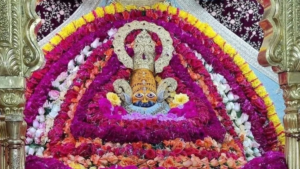
- Celebrates the appearance of Barbarika’s head and the divine blessings of Khatu Shyam Ji.
- Known as the largest festival at Khatu, attracting millions of devotees.

Key Dates:
- Falgun Shukla Ekadashi & Dwadashi (dates vary according to the Hindu calendar, usually February–March).
Activities:
- Devotional bhajans and kirtans throughout the day
- Large processions with holy flags (Nishan)
- Offering of prasad, flowers, and sweets to the deity
- Special darshan arrangements for devotees
2. Kartik Mela (October – November)
Significance:
- Observed during the Hindu month of Kartik, considered highly auspicious for worship.
- Marks devotion and gratitude toward Khatu Shyam Ji.

Activities:
- Night-long devotional gatherings
- Temple beautifully decorated with lights
- Singing of bhajans and hymns
- Devotees offer prayers, flowers, and sweets
3. Janmashtami (August – September)
Significance:
- Celebrates the birth of Lord Krishna, who is considered the source of Shyam Ji.
- Specially observed in Khatu because Khatu Shyam Ji is regarded as Krishna in Kaliyuga.
Activities:
- Midnight aarti and prayers at the temple
- Devotional songs and bhajans praising Krishna and Shyam Ji
- Distribution of prasad to devotees
4. Holi (March)
Significance:
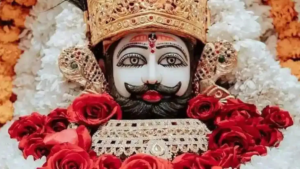
- Festival of colors celebrated with enthusiasm.
- Coincides with Falgun Mela, making the celebrations even more vibrant.
Activities:
- Devotees play with colors and offer flowers to Shyam Baba
- Cultural programs and devotional singing
- Community participation and festive food
5. Ekadashi Observances
Significance:
- Ekadashi days (11th day of the lunar fortnight) are considered highly auspicious for worship.
- Devotees fast and pray to seek blessings.
Activities:
- Fasting and early morning prayers
- Special aarti and bhajans at the temple
- Thousands of devotees visit the temple
6. Maha Shivaratri
Significance:
- Celebrates Lord Shiva, with whom Shyam Ji shares some divine aspects.
- Devotees offer prayers and perform night-long vigil.
Activities:
- Devotional songs and bhajans
- Special puja and offerings at the temple
7. Other Local Festivals
- Deepavali (October – November): Temple decorated with lights; special prayers and bhajans.
- Rakhi Purnima: Celebrates bonds of devotion and faith; devotees tie sacred threads at the temple.
- New Year Celebrations: Devotional programs and cultural events organized for the local community and pilgrims.
Tips for Attending Festivals
- Arrive early – Festivals attract huge crowds.
- Book accommodation in advance – Nearby dharamshalas and hotels fill up quickly.
- Participate respectfully – Follow temple customs and rituals.
- Carry essentials – Water, light snacks, and offerings for Shyam Ji.
- Use public transport or shared taxis – Parking is limited during festivals.
Suggested Festival Calendar Overview
| Month | Festival Name | Significance / Special Feature |
|---|---|---|
| February–March | Falgun Mela | Largest festival; appearance of Shyam Ji |
| March | Holi | Colors & devotion combined with Falgun Mela |
| August–September | Janmashtami | Birth of Lord Krishna; midnight aarti |
| October–November | Kartik Mela | Devotional gatherings & temple decoration |
| October–November | Deepavali | Temple illuminated; special bhajans |
| February & August | Ekadashi Observances | Fasting & special prayers |
| February–March | Maha Shivaratri | Night-long vigil & puja |
| July–August | Rakhi Purnima | Tying sacred threads at temple |
Conclusion
The festivals of Khatu Shyam Ji are not just religious events—they are spiritual, cultural, and social experiences. Participating in these festivals allows devotees to:
- Strengthen faith and devotion
- Experience vibrant cultural traditions of Rajasthan
- Receive the blessings of Shyam Baba for peace, prosperity, and happiness
Whether it’s the Falgun Mela or Janmashtami, every festival offers a unique spiritual experience that touches the hearts of millions of devotees.
FAQs – Khatu Shyam Ji Temple & Festivals
1. Where is Khatu Shyam Ji Temple located?
The Khatu Shyam Temple is located in Khatu village, Sikar district, Rajasthan, India, about 90 km from Jaipur.
2. Who is Khatu Shyam Ji?
Khatu Shyam Ji is the incarnation of Barbarika, who sacrificed his head before the Kurukshetra War at the request of Lord Krishna. He is worshipped as “Haare Ka Sahara”, the savior of the helpless.
3. What is the best time to visit Khatu Shyam Ji Temple?
- February–March (Falgun Mela): Largest festival and most auspicious.
- October–November (Kartik Mela & Deepavali): Ideal for devotional visits.
- Janmashtami & Holi: Special celebrations with cultural and spiritual significance.
4. How can I reach Khatu Shyam Ji Temple?
- By Air: Nearest airport is Jaipur International Airport (~90 km).
- By Train: Nearest railway station is Ringas Junction (~16 km).
- By Road: Well connected via highways; buses, taxis, and cabs are available from Jaipur and Sikar.
5. What are the major festivals celebrated at Khatu Shyam Temple?
- Falgun Mela (Feb–March) – Largest festival
- Kartik Mela (Oct–Nov) – Devotional gathering
- Janmashtami (Aug–Sept) – Birth of Lord Krishna
- Holi (March) – Festival of colors
- Deepavali (Oct–Nov) – Festival of lights
- Maha Shivaratri – Night-long vigil and prayers
- Ekadashi days – Fasting and special aartis
6. Are there accommodations near the temple?
Yes, options include:
- Dharamshalas/Temple Guest Houses – Budget-friendly
- Hotels in Sikar & Jaipur – Comfortable with modern amenities
- Private guesthouses in Khatu – Local experience
7. What is the significance of Shyam Kund?
Shyam Kund is a sacred pond near the temple where Barbarika’s head was discovered. Devotees take a holy dip here before entering the temple for darshan.
8. Can anyone participate in the festivals?
Yes, all devotees and tourists are welcome to attend. Participation in bhajans, aarti, and processions is encouraged to experience the spiritual atmosphere.
9. What offerings can I make at the temple?
Common offerings include:
- Flowers and garlands
- Prasad (sweets, fruits)
- Nishan (holy flag)
- Donations to the temple for seva and rituals
10. Is there a specific dress code for visiting the temple?
Yes, visitors are advised to dress modestly, respecting the temple’s customs and traditions.
11. How can I get darshan during crowded festivals?
- Arrive early in the morning
- Follow temple volunteers’ directions
- Be patient during large gatherings like Falgun Mela
12. Why is Khatu Shyam Ji called “Haare Ka Sahara”?
Because he is believed to help and protect those who are helpless or in distress, offering spiritual and material support.
13. Are the festivals only for religious devotees?
No, anyone interested in spiritual, cultural, or traditional experiences can attend and witness the celebrations.
14. Can I perform rituals or prayers on my own?
Yes, you can participate in aarti, bhajans, and personal prayers inside the temple. For special rituals, you can consult the temple priests.
15. How do I plan a one-day tour of Khatu Shyam Ji Temple?
- Morning: Holy dip at Shyam Kund + darshan at temple
- Afternoon: Attend bhajans and explore local markets
- Evening: Evening aarti and kirtan, then return to Sikar/Jaipur