


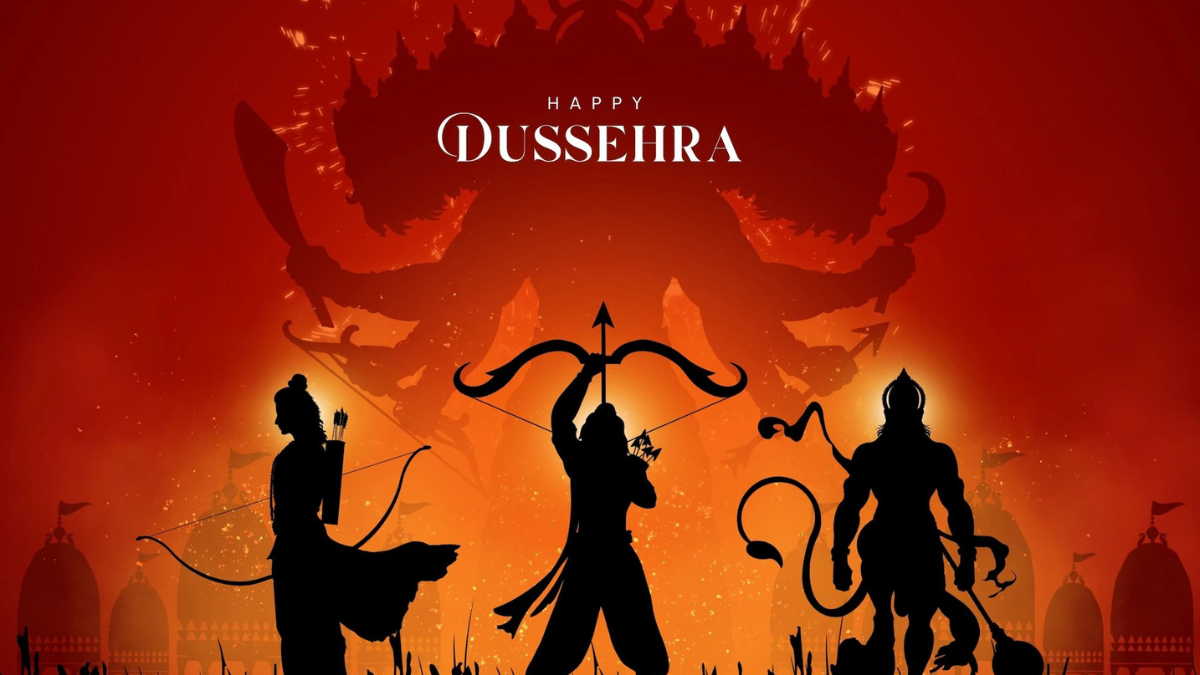
Dussehra, also known as Vijayadashami, is one of the most important festivals in Hindu culture. Celebrated across India and many parts of the world, the festival symbolizes the victory of good over evil, light over darkness, and truth over falsehood.
The festival is closely connected with the legendary story of Lord Rama defeating the demon king Ravana, as described in the epic Ramayana.

Beyond mythology, Dussehra carries a powerful message for modern life. It encourages people to let go of negativity, embrace positivity, and begin a new chapter with hope and determination.
The Meaning of Dussehra
The word Dussehra comes from two Sanskrit words:
- “Dasha” – meaning ten
- “Hara” – meaning defeat
Together, it represents the defeat of Ravana’s ten heads, which symbolize negative human qualities such as:
- anger
- greed
- jealousy
- ego
- pride
- hatred
- selfishness
- attachment
- injustice
- arrogance
The burning of Ravana’s effigy during Dussehra reminds us to destroy these negative traits within ourselves.
The Story Behind Dussehra
The story of Dussehra is deeply connected with the life of Lord Rama.
According to the Ramayana, Ravana, the powerful king of Lanka, kidnapped Sita, the wife of Lord Rama.
Determined to rescue her, Rama formed an alliance with Hanuman and the monkey army led by Sugriva.
After a fierce battle that lasted for many days, Lord Rama finally defeated Ravana on the tenth day, known as Vijayadashami.
This victory represents the triumph of righteousness (Dharma) over evil (Adharma).
Symbolism of Ravana’s Ten Heads
Ravana’s ten heads represent the ten negative qualities that humans must overcome.
These include:
- Ego
- Anger
- Greed
- Lust
- Jealousy
- Pride
- Injustice
- Selfishness
- Attachment
- Hatred
Dussehra reminds us that true victory lies in conquering our inner weaknesses.
Dussehra as a Festival of Positivity
Dussehra carries powerful positive messages that inspire people in many ways.
1. Victory of Good Over Evil
The central message of Dussehra is that goodness always wins in the end.
Even when challenges seem overwhelming, the festival teaches that truth, courage, and righteousness will prevail.
2. Removing Negativity from Life
Just as Ravana’s effigy is burned during the celebrations, people are encouraged to burn away negative emotions and habits.
This may include:
- letting go of anger
- forgiving others
- abandoning unhealthy habits
- focusing on personal growth
3. Starting New Beginnings
Dussehra is considered an extremely auspicious day to start new ventures.
Many people begin:
- new businesses
- educational pursuits
- creative projects
- spiritual practices
The day symbolizes a fresh start filled with hope and positivity.
4. Encouraging Courage and Determination
The story of Lord Rama reminds people to stay strong and determined even during difficult times.
His journey teaches that patience, discipline, and faith can help overcome any obstacle.
Dussehra Celebrations Across India
Dussehra is celebrated differently in various regions of India, reflecting the country’s rich cultural diversity.
Northern India
In northern states, dramatic performances called Ramlila depict scenes from the Ramayana.
Large effigies of Ravana are burned with fireworks, symbolizing the destruction of evil.
West Bengal
In West Bengal, Dussehra coincides with the final day of Durga Puja.
The day celebrates the victory of Durga over the demon Mahishasura.
Southern India
In southern states like Karnataka and Tamil Nadu, the festival is associated with Ayudha Puja, where people worship tools, vehicles, and instruments.
This tradition honors the idea that every profession and effort deserves respect and gratitude.
Spiritual Lessons from Dussehra
Dussehra is not only about mythology but also about self-improvement and spiritual growth.
The festival teaches several valuable life lessons.
1. Self-Reflection
People are encouraged to reflect on their actions and behavior.
2. Moral Strength
The story inspires individuals to stand for truth and justice.
3. Faith and Devotion
Devotion to righteousness and divine guidance helps overcome life’s challenges.
4. Personal Transformation
Dussehra symbolizes the opportunity to transform into a better version of oneself.
The Idea of Inner Victory
While the story focuses on Rama defeating Ravana, the deeper message is about inner victory.
Each person faces personal battles such as:
- fear
- insecurity
- stress
- negativity
Dussehra inspires people to conquer these challenges and move toward self-confidence and positivity.
Why Dussehra is the Perfect Time for New Beginnings
Many people believe that starting something new on Dussehra brings success and prosperity.
Common activities started on this day include:
- launching new businesses
- buying vehicles or property
- beginning educational programs
- starting spiritual practices
The day symbolizes renewal, optimism, and progress.
Modern Relevance of Dussehra
In today’s fast-paced world, the message of Dussehra remains extremely relevant.
It encourages people to:
- focus on personal growth
- maintain ethical values
- overcome negativity
- build a positive mindset
The festival reminds us that every challenge in life can be overcome with determination and righteousness.
Conclusion
Dussehra is far more than a traditional festival. It is a powerful reminder that goodness, truth, and positivity will always triumph over negativity and evil.
The story of Lord Rama defeating Ravana inspires people to conquer their inner weaknesses and embrace a new beginning filled with hope, courage, and faith.
By celebrating Dussehra, individuals renew their commitment to living with honesty, compassion, and positivity, making it a festival that continues to inspire generations.
FAQs
1. What does Dussehra symbolize?
Dussehra symbolizes the victory of good over evil, especially the defeat of Ravana by Lord Rama.
2. Why is Ravana’s effigy burned on Dussehra?
The burning of Ravana’s effigy represents the destruction of ego, negativity, and evil qualities.
3. Why is Dussehra considered an auspicious day?
It is believed to be an ideal day to start new ventures and important activities.
4. What is Vijayadashami?
Vijayadashami is another name for Dussehra and means the day of victory.
5. How does Dussehra inspire positivity?
The festival teaches people to remove negativity, embrace goodness, and begin life with renewed hope and determination.