
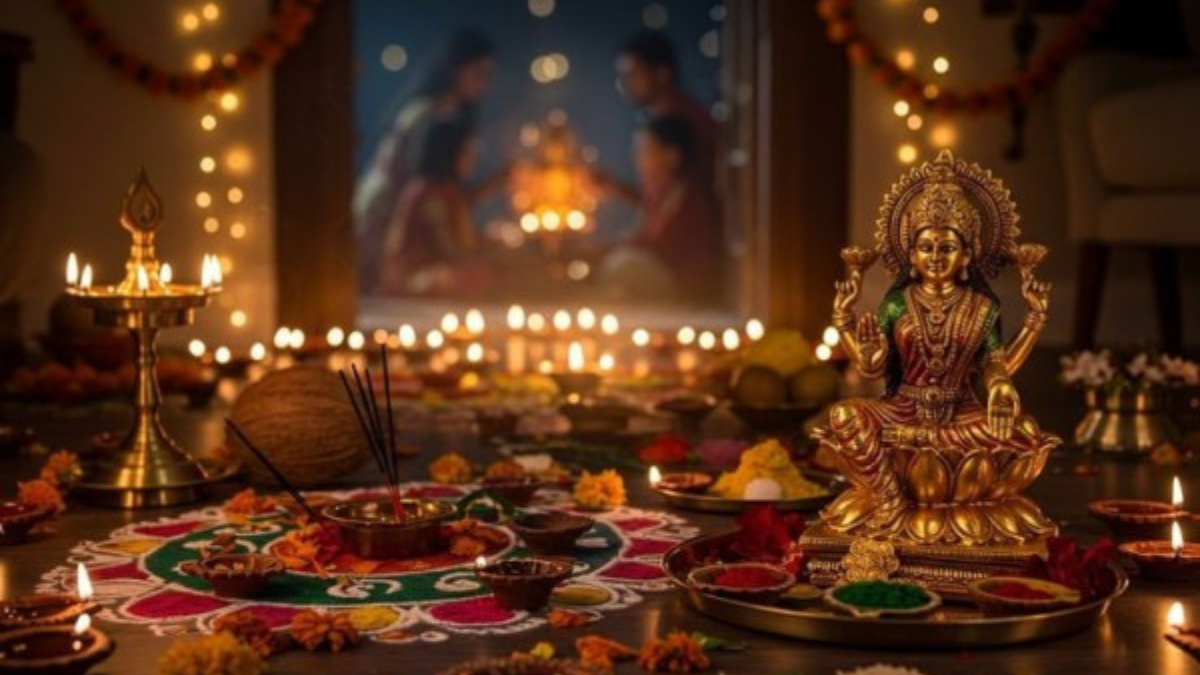
Diwali, the Festival of Lights, is one of the most important and widely celebrated festivals in Hinduism. The festival symbolizes the victory of light over darkness, knowledge over ignorance, and good over evil. Homes glow with thousands of lamps, families gather to celebrate, and prayers are offered to seek blessings for prosperity and happiness.
One of the most significant rituals of Diwali is Lakshmi Puja, dedicated to Lakshmi, the goddess of wealth, fortune, and abundance. Devotees believe that performing this sacred puja with devotion invites prosperity, harmony, and success into their homes and lives.
As Diwali 2026 approaches, millions of people around the world will prepare their homes, hearts, and spirits to welcome the blessings of Lakshmi and Ganesha.
This article explores the spiritual meaning of Diwali, the importance of Lakshmi Puja, and how you can perform it to invite wealth, positivity, and happiness into your life.
The Spiritual Meaning of Diwali
The festival of Diwali holds deep spiritual and cultural significance in Hindu tradition. The word Diwali comes from the Sanskrit term “Deepavali,” which means a row of lights. These lights symbolize hope, positivity, and divine blessings.
One of the most famous legends associated with Diwali is the return of Rama, along with Sita and Lakshmana, to the city of Ayodhya after defeating the demon king Ravana. The people of Ayodhya welcomed them by lighting thousands of oil lamps, illuminating the entire kingdom.
This tradition continues today as families light diyas, decorate their homes, and celebrate the triumph of righteousness.
Beyond mythology, Diwali also represents inner awakening. Lighting lamps symbolizes removing darkness from our minds and filling our lives with wisdom, kindness, and positivity.
Why Lakshmi Puja Is Performed on Diwali
On the night of Diwali, devotees worship Lakshmi because it is believed that the goddess visits homes that are clean, bright, and filled with devotion.
In Hindu belief, Lakshmi represents:
- Wealth and prosperity
- Good fortune and abundance
- Beauty and grace
- Harmony and peace
Performing Lakshmi Puja is believed to bring financial stability, success in business, and overall well-being.
During the puja, devotees also worship Ganesha, the remover of obstacles. Worshipping Ganesha before Lakshmi ensures that difficulties and negative energies are removed from one’s life.
For many businesses in India, Diwali also marks the beginning of a new financial year. Shopkeepers and entrepreneurs open new account books, symbolizing a fresh start filled with prosperity.
Preparing Your Home for Lakshmi Puja
Preparation plays an important role in Diwali celebrations. According to tradition, cleanliness and positivity attract divine energy.
1. Cleaning the House
A few days before Diwali, families thoroughly clean their homes. This practice has both practical and spiritual significance.
Cleaning represents:
- Removing negative energy
- Creating a pure environment
- Welcoming divine blessings
It is believed that Lakshmi prefers to visit homes that are clean, organized, and peaceful.
2. Decorating the Entrance
Decorations are an essential part of Diwali celebrations. The entrance of the house is decorated with:
- Colorful rangoli designs
- Flower garlands
- Torans made of mango leaves
- Lamps and candles
Many families also draw small footprints of Lakshmi leading into the house, symbolizing the arrival of the goddess.
3. Lighting Diyas
Lighting oil lamps is one of the most beautiful traditions of Diwali.
Diyas are placed:
- At the entrance of the home
- In windows and balconies
- In temples and prayer rooms
The light of the diya represents the removal of darkness and ignorance from our lives.
Essential Items Needed for Lakshmi Puja
Before performing the puja, families gather several sacred items.
Common Lakshmi Puja items include:
- Idol or picture of Lakshmi
- Idol of Ganesha
- A kalash (sacred water pot)
- Flowers and lotus
- Rice grains
- Kumkum and turmeric
- Incense sticks
- Oil lamps or diyas
- Sweets and fruits
- Coins or currency notes
These items symbolize abundance, purity, and gratitude.
Step-by-Step Lakshmi Puja Ritual
Although traditions may vary by region, the general process of Lakshmi Puja is similar across most Hindu households.
Step 1: Clean the Puja Area
Choose a clean and quiet place in the home. Spread a clean cloth and place the idols of Lakshmi and Ganesha on a decorated platform.
Step 2: Worship Lord Ganesha First
The puja begins with prayers to Ganesha.
Devotees offer flowers, sweets, and prayers, asking for the removal of obstacles and blessings for wisdom.
Step 3: Invoke Goddess Lakshmi
Next, prayers are offered to Lakshmi.
Devotees:
- Offer lotus flowers
- Light incense sticks
- Chant Lakshmi mantras
- Offer sweets and fruits
Coins and currency are often placed near the goddess as a symbol of prosperity.
Step 4: Perform Aarti
The final part of the puja is the aarti, where a lamp is rotated in front of the deities while prayers are sung.
This ritual symbolizes gratitude and devotion toward the divine.
After the aarti, prasad (blessed food) is distributed among family members.
Traditions That Invite Prosperity During Diwali
Many traditional practices are believed to attract good fortune during Diwali.
Keeping Doors and Windows Open
Many families keep doors slightly open during Lakshmi Puja, symbolizing welcoming Lakshmi into the home.
Lighting Lamps All Night
Keeping diyas lit throughout the night is believed to guide the goddess toward the home.
Charity and Kindness
Sharing food, donating money, and helping the needy are considered highly auspicious during Diwali. Acts of kindness attract positive karma and blessings.
Buying Gold or Silver
Purchasing precious metals during Diwali is believed to bring financial prosperity and long-term wealth.
The Deeper Message of Lakshmi Puja
While many people associate Diwali with wealth and celebration, its deeper message is spiritual.
Lakshmi Puja teaches us that true prosperity is not only material wealth. It also includes:
- Peace of mind
- Loving relationships
- Good health
- Spiritual wisdom
By cultivating gratitude, generosity, and positivity, we invite abundance into every aspect of life.
Conclusion
Diwali 2026 is more than just a festival of lights—it is a time for reflection, renewal, and spiritual growth. Through the sacred ritual of Lakshmi Puja, devotees express gratitude and invite prosperity, harmony, and happiness into their homes.
Lighting lamps, decorating homes, and offering prayers to Lakshmi and Ganesha reminds us that true wealth comes from both spiritual devotion and positive actions.
When homes are filled with light, hearts are filled with faith, and minds are filled with kindness, prosperity naturally follows.
May Diwali 2026 bring you and your family happiness, success, and divine blessings.
Frequently Asked Questions (FAQs)
1. Why is Lakshmi Puja performed on Diwali?
Lakshmi Puja is performed to honor Lakshmi, the goddess of wealth and prosperity. Devotees believe that worshipping her on Diwali night brings financial success, abundance, and happiness.
2. Why is Lord Ganesha worshipped with Lakshmi?
Ganesha is worshipped before Lakshmi because he removes obstacles and brings wisdom. His blessings ensure that prosperity arrives without difficulties.
3. What time should Lakshmi Puja be performed?
Lakshmi Puja is usually performed during the Pradosh Kaal, which occurs after sunset on Diwali evening. The exact timing varies each year according to the Hindu lunar calendar.
4. What offerings are given to Goddess Lakshmi?
Common offerings include:
- Lotus flowers
- Sweets such as laddoos and kheer
- Fruits
- Rice grains
- Incense and lamps
These offerings symbolize devotion, gratitude, and abundance.
5. What attracts Goddess Lakshmi to a home?
According to tradition, Lakshmi is attracted to homes that are:
- Clean and organized
- Brightly lit with lamps
- Filled with positive energy and devotion
Acts of kindness and generosity also invite her blessings.