


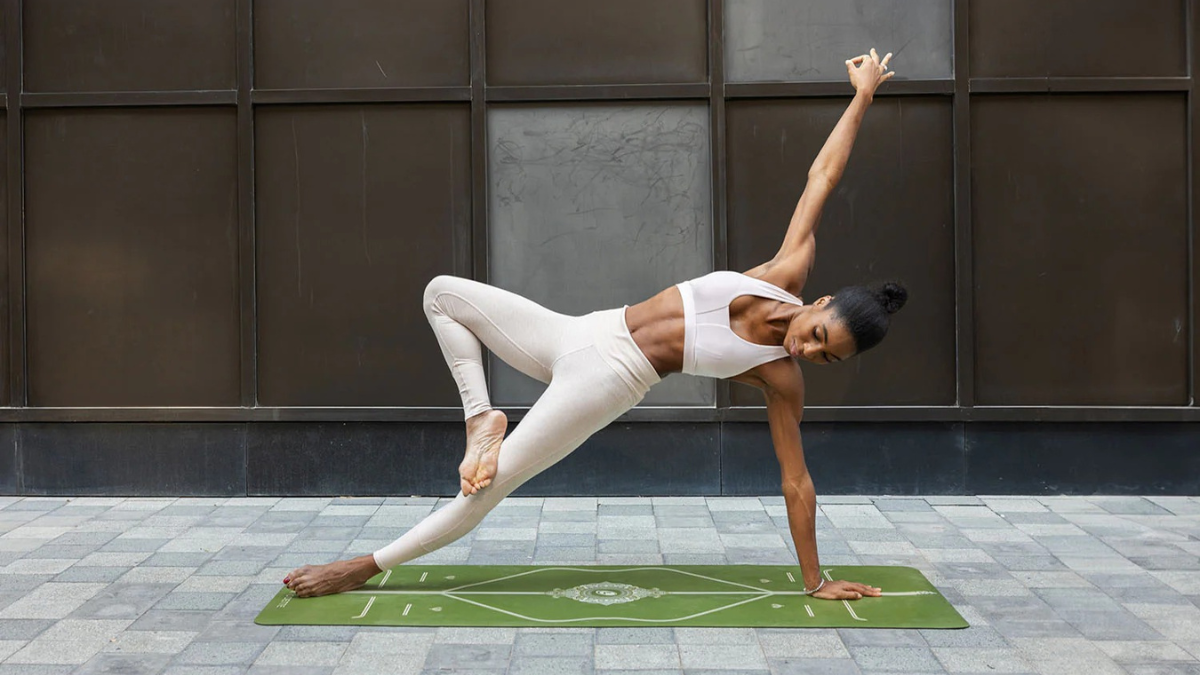
Building full body strength does not always require heavy gym equipment or complicated workout routines. Many effective exercises can be performed using simple standing poses, which engage multiple muscle groups at once and help improve balance, flexibility, and endurance. Standing exercises are widely used in strength training, yoga, and functional fitness because they mimic natural body movements and activate the core muscles that support posture and stability.
One of the greatest benefits of standing poses is that they work the entire body simultaneously. Unlike isolated exercises that focus on a single muscle group, standing positions engage the legs, core, back, and shoulders together. This helps develop overall strength, coordination, and body control.

Standing poses are also excellent for improving posture, joint mobility, and balance. Many people spend long hours sitting during the day, which can weaken muscles and cause stiffness in the back and hips. Incorporating standing exercises into a daily routine can help counter these effects and promote a healthier and more active lifestyle.
This article explores seven essential standing poses that help build full body strength while also improving stability and flexibility.
1. Squat Pose
The squat is one of the most powerful standing exercises for developing lower body strength. It primarily targets the quadriceps, hamstrings, and glutes while also engaging the core and lower back.
To perform a squat, stand with your feet shoulder-width apart. Keep your back straight and slowly bend your knees as if you are sitting down in a chair. Lower your body until your thighs are almost parallel to the floor. Then push through your heels to return to the starting position.
Squats are highly effective because they activate several major muscle groups at once. Regular practice helps build stronger legs, improve hip mobility, and increase overall endurance. Squats also enhance functional strength, making everyday activities such as lifting objects or climbing stairs easier.
2. Warrior Pose
The warrior pose is a powerful standing position often used in yoga practice. It strengthens the legs, improves balance, and builds endurance throughout the body.
To perform this pose, step one foot forward and bend the front knee while keeping the back leg straight. Extend your arms out to the sides at shoulder height and maintain a strong, upright posture. Hold the pose while breathing steadily.
The warrior pose strengthens the thighs, hips, shoulders, and back muscles. It also helps improve concentration and mental focus. Maintaining the pose requires stability and control, which activates the core muscles and enhances balance.
3. Standing Lunges
Lunges are another highly effective standing exercise that targets the legs and glutes while also engaging the core muscles.
To perform a lunge, stand upright and step one foot forward. Bend both knees until the back knee almost touches the floor. Keep your upper body straight and your front knee aligned with your ankle. Push back to the starting position and repeat on the other side.
Lunges help strengthen the quadriceps, hamstrings, and glutes while also improving coordination and balance. They are particularly beneficial for building lower body power and stability.
4. Standing Side Leg Raises
Standing side leg raises are excellent for strengthening the hips and improving balance.
Begin by standing tall with your feet together. Slowly lift one leg out to the side while keeping your body upright and your core engaged. Hold the position briefly before lowering the leg back down. Repeat on the other side.
This exercise targets the hip abductors and helps stabilize the pelvis. Strong hip muscles are important for maintaining proper posture and preventing injuries during physical activities.
Standing side leg raises also enhance balance because they require the body to stabilize on one leg.
5. Standing Forward Bend
The standing forward bend is a simple yet powerful pose that stretches the back and strengthens the core muscles.
Stand upright with your feet hip-width apart. Slowly bend forward from the hips while keeping your legs straight. Allow your arms to hang toward the floor and relax your neck.
This pose stretches the hamstrings and lower back while improving flexibility. It also promotes blood circulation to the upper body and helps relieve tension in the spine.
Although it appears to be a gentle movement, maintaining control in this pose activates the core muscles and supports spinal strength.
6. Tree Pose
The tree pose is a well-known balance exercise that strengthens the legs and improves body awareness.
To perform this pose, stand on one leg and place the sole of your other foot against your inner thigh or calf. Bring your hands together in front of your chest or extend them overhead.
Maintaining the tree pose requires focus and stability. The standing leg works hard to support the body, which strengthens the ankle, knee, and hip joints.
This pose also activates the core muscles and improves balance. Practicing tree pose regularly helps develop better posture and coordination.
7. Standing Shoulder Press
The standing shoulder press is an effective exercise for strengthening the upper body while also engaging the core.
Stand with your feet shoulder-width apart and hold light weights or resistance bands at shoulder level. Press the weights upward until your arms are fully extended above your head. Slowly lower them back to the starting position.
This exercise targets the shoulders, upper back, and arms while also engaging the core muscles for stability. Performing the shoulder press in a standing position increases the challenge because the body must maintain balance throughout the movement.
Standing shoulder presses help improve upper body strength and enhance posture.
Benefits of Standing Exercises
Standing poses offer numerous physical benefits that support overall health and fitness.
One major benefit is improved balance and stability. Many standing exercises require the body to maintain alignment and control, which strengthens the stabilizing muscles.
Another important benefit is core activation. Because the body must remain upright during these exercises, the abdominal and back muscles work continuously to maintain posture.
Standing exercises also promote functional strength, meaning they improve the body’s ability to perform everyday activities such as lifting, bending, and walking.
Additionally, these poses can help improve flexibility and joint mobility, reducing stiffness and preventing injuries.
Tips for Practicing Standing Poses Safely
To gain the maximum benefits from standing exercises, it is important to practice them with proper form and awareness.
First, always begin with a short warm-up to prepare the muscles and joints. Gentle stretching or light movement helps increase blood flow and reduce the risk of injury.
Second, maintain proper posture throughout each exercise. Keep the back straight, engage the core muscles, and avoid locking the joints.
Third, start slowly and gradually increase the intensity or duration of each pose as your strength improves.
Finally, listen to your body. If you experience discomfort or pain, stop the exercise and rest.
Conclusion
Standing poses are an effective and accessible way to build full body strength without the need for complex equipment or advanced training. These exercises engage multiple muscle groups at once, improving balance, coordination, and endurance.
The seven poses discussed in this article—squats, warrior pose, lunges, side leg raises, forward bends, tree pose, and standing shoulder press—provide a well-rounded approach to strengthening both the upper and lower body.
Regular practice of these movements can enhance posture, improve flexibility, and increase overall physical fitness. Whether performed as part of a workout routine or integrated into daily activities, standing exercises offer a simple yet powerful method for developing a stronger and healthier body.
By incorporating these essential poses into your routine, you can build lasting strength and maintain an active lifestyle.
Frequently Asked Questions
1. Why are standing exercises good for full body strength?
Standing exercises engage multiple muscle groups simultaneously, including the legs, core, back, and arms. This helps develop overall strength and improves coordination.
2. How often should I practice standing exercises?
For best results, standing exercises can be practiced three to five times per week as part of a balanced fitness routine.
3. Are standing poses suitable for beginners?
Yes, most standing poses are beginner-friendly. They can be modified to match different fitness levels and gradually increased in difficulty.
4. Do standing exercises help improve balance?
Yes, many standing poses require maintaining stability on one or both legs, which strengthens the stabilizing muscles and improves balance.
5. Can standing exercises replace gym workouts?
Standing exercises can be very effective for building strength and improving fitness. However, combining them with other forms of exercise may provide more comprehensive results.
6. Do standing poses help with posture?
Yes, standing exercises strengthen the core and back muscles, which are essential for maintaining proper posture and spinal alignment.
7. How long should I hold each pose?
The duration can vary depending on the exercise. Beginners may start with 10 to 20 seconds and gradually increase the time as their strength improves.