
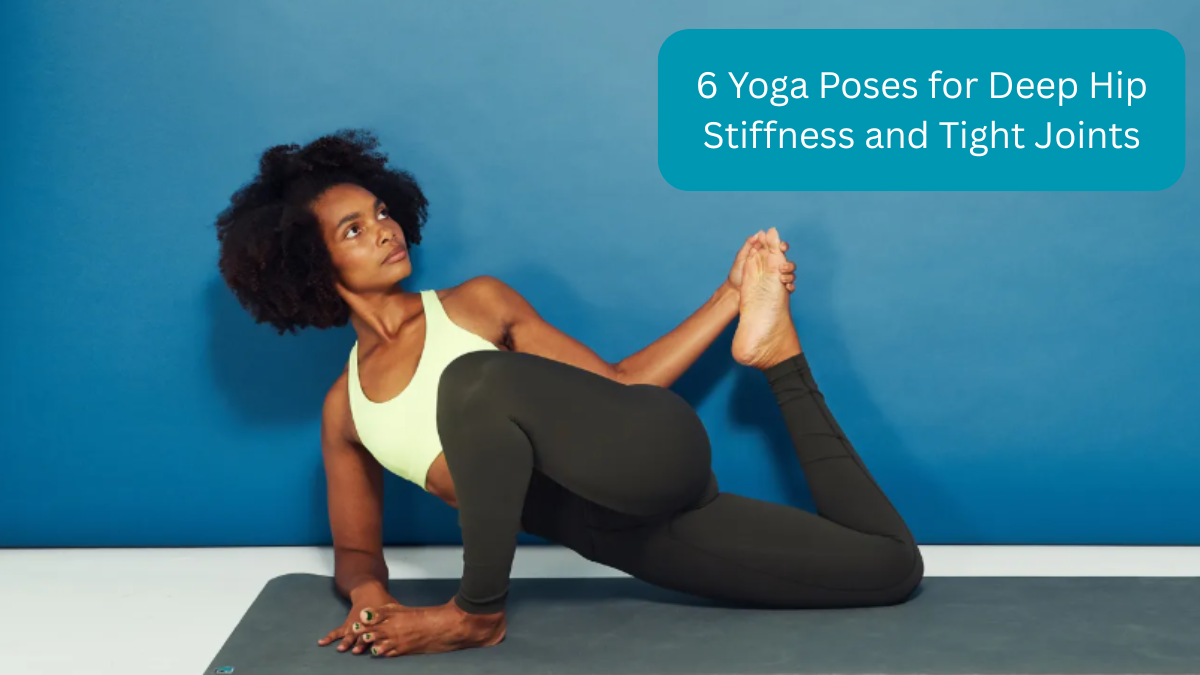
Hip stiffness and tight joints are common problems in today’s sedentary lifestyle. Long hours of sitting, lack of movement, poor posture, and stress can all contribute to reduced mobility in the hip area. When the hips become tight, it can lead to discomfort in the lower back, knees, and even the neck.
Practicing yoga regularly is one of the most effective and natural ways to release tension in the hips and improve flexibility. Yoga stretches the muscles surrounding the hips, increases circulation, and promotes better alignment of the body.
This article explores six powerful yoga poses that help relieve deep hip stiffness and tight joints while improving overall flexibility and mobility.
Why Hip Flexibility Is Important
The hips are one of the largest and most important joints in the body. They support the spine, stabilize the pelvis, and play a major role in movement such as walking, running, bending, and sitting.
When the hips become stiff, several problems may occur. Tight hips can cause lower back pain, poor posture, reduced mobility, and an increased risk of injury during physical activity.

Regular stretching and yoga practice help restore flexibility in the hip muscles and surrounding tissues. Improved hip mobility can also enhance athletic performance, reduce muscle tension, and improve posture.
Common Causes of Tight Hips
Several lifestyle factors contribute to hip stiffness and tight joints.
One of the most common causes is prolonged sitting. Many people spend hours sitting at desks, driving, or using electronic devices, which keeps the hip flexor muscles in a shortened position.

Lack of physical activity is another major reason for hip tightness. Without regular stretching or exercise, the muscles around the hips gradually lose flexibility.
Stress can also cause the body to hold tension in the hip area. Emotional stress often leads to muscle tightness, particularly in the hips and lower back.
In some cases, tight hips may also result from previous injuries, muscle imbalances, or aging.
Fortunately, yoga provides a gentle and effective way to release this tension.
1. Pigeon Pose
Pigeon Pose is one of the most effective yoga poses for deep hip opening. It stretches the hip rotators and the muscles of the buttocks while releasing tension in the lower back.
To perform this pose, start in a plank position. Bring your right knee forward and place it behind your right wrist. Extend your left leg straight behind you and lower your hips toward the floor.
Keep your spine straight and gently lean forward to deepen the stretch. Hold the pose for 30 to 60 seconds while breathing deeply.
This pose targets the outer hips and glutes, making it particularly helpful for people who experience tightness from sitting for long periods.
2. Butterfly Pose
Butterfly Pose is a simple yet powerful stretch that improves flexibility in the inner thighs and hip joints.
Begin by sitting on the floor with your back straight. Bring the soles of your feet together and allow your knees to fall outward toward the floor.
Hold your feet with your hands and gently press your knees downward using your elbows. Maintain slow, steady breathing while holding the stretch for about one minute.
This pose helps loosen tight inner thigh muscles and increases blood circulation around the hips and pelvis.
3. Lizard Pose
Lizard Pose is a deep hip-opening stretch that targets the hip flexors, hamstrings, and groin muscles.
Start in a downward-facing dog position. Step your right foot forward and place it outside your right hand. Lower your left knee to the floor and sink your hips downward.
Keep your chest lifted and breathe deeply as you hold the position. Advanced practitioners may lower their forearms to the ground for a deeper stretch.
Lizard Pose helps release tight hip flexors that develop from prolonged sitting and limited movement.
4. Garland Pose
Garland Pose, often referred to as a deep yogic squat, is excellent for improving hip mobility and strengthening the lower body.
Stand with your feet slightly wider than hip-width apart and slowly lower into a squat position. Bring your palms together in front of your chest and press your elbows gently against your knees.
Keep your spine straight and hold the pose while breathing deeply.
This posture stretches the hips, groin, and ankles while also strengthening the legs. It helps restore natural hip mobility that many people lose due to modern sitting habits.
5. Frog Pose
Frog Pose is a deep stretch that targets the inner thighs and hip joints.
Start by kneeling on the floor and slowly widen your knees apart. Keep your ankles aligned with your knees and place your forearms on the ground for support.
Gradually move your hips backward while maintaining steady breathing. Hold the stretch for about 30 seconds to one minute.
This pose may feel intense, but it is extremely effective for releasing deep tension in the hips and groin area.
6. Low Lunge Pose
Low Lunge Pose helps stretch the hip flexors and improve balance and stability.
Begin in a standing position and step your right foot forward into a lunge. Lower your left knee to the floor and place your hands on your right thigh.
Lift your chest and gently push your hips forward to deepen the stretch.
Hold the pose for 30 to 60 seconds and then switch sides.
This stretch is especially beneficial for people who spend long hours sitting because it opens the hip flexors and lengthens the muscles in the front of the hips.
Tips for Practicing Yoga Safely
While yoga is generally safe, it is important to practice with awareness and proper technique.
Always warm up your body before performing deep stretches. Gentle movements such as walking or light stretching can prepare your muscles for yoga.
Move slowly and avoid forcing your body into any position. Yoga should create a comfortable stretch rather than pain.
Focus on your breathing during each pose. Deep breathing helps relax the muscles and allows the body to stretch more effectively.
Consistency is also important. Practicing these poses a few times a week can gradually improve hip flexibility and joint mobility.
If you have an injury or medical condition, it is advisable to consult a healthcare professional before starting a new exercise routine.
Benefits of Yoga for Hip Mobility
Regular yoga practice provides many benefits beyond simply improving flexibility.
It strengthens the muscles around the hips and pelvis, which improves stability and balance.
Yoga also enhances posture by aligning the spine and pelvis correctly. This reduces strain on the lower back and prevents discomfort.
Another major benefit is stress reduction. Yoga combines movement with mindful breathing, which helps calm the nervous system and release stored tension in the body.
Over time, improved hip mobility can also make everyday activities such as walking, climbing stairs, and bending easier and more comfortable.
Conclusion
Hip stiffness and tight joints can significantly affect daily comfort and mobility. Fortunately, yoga offers a natural and effective solution for releasing tension and restoring flexibility.
The six yoga poses discussed in this article—Pigeon Pose, Butterfly Pose, Lizard Pose, Garland Pose, Frog Pose, and Low Lunge Pose—target different areas of the hips and surrounding muscles. When practiced regularly, these stretches help improve joint mobility, reduce muscle tightness, and promote overall physical well-being.
Incorporating these poses into your routine just a few times per week can make a noticeable difference in how your body feels and moves. With patience and consistency, yoga can help you achieve healthier hips, greater flexibility, and improved overall balance.
Frequently Asked Questions
What causes deep hip stiffness?
Deep hip stiffness is often caused by prolonged sitting, lack of physical activity, poor posture, muscle imbalances, or stress. Over time, these factors can shorten the hip muscles and reduce flexibility.
How often should I practice yoga for tight hips?
Practicing yoga three to four times per week can help improve hip flexibility and reduce stiffness. Even short sessions of 10 to 15 minutes can be beneficial when done consistently.
Can yoga relieve hip pain?
Yes, yoga can help relieve hip pain by stretching tight muscles, improving joint mobility, and strengthening supporting muscles. However, individuals with severe pain or injuries should consult a doctor before starting.
Is it normal to feel discomfort during hip-opening poses?
Mild stretching sensations are normal during hip-opening poses, but sharp or intense pain should be avoided. It is important to listen to your body and move gradually into each position.
How long does it take to improve hip flexibility?
Most people notice improvements within a few weeks of regular practice. Significant flexibility gains usually occur after several months of consistent stretching and yoga practice.
Can beginners practice these yoga poses?
Yes, beginners can practice these poses with modifications if necessary. Using yoga blocks, cushions, or blankets can help make the poses more comfortable while gradually building flexibility.