


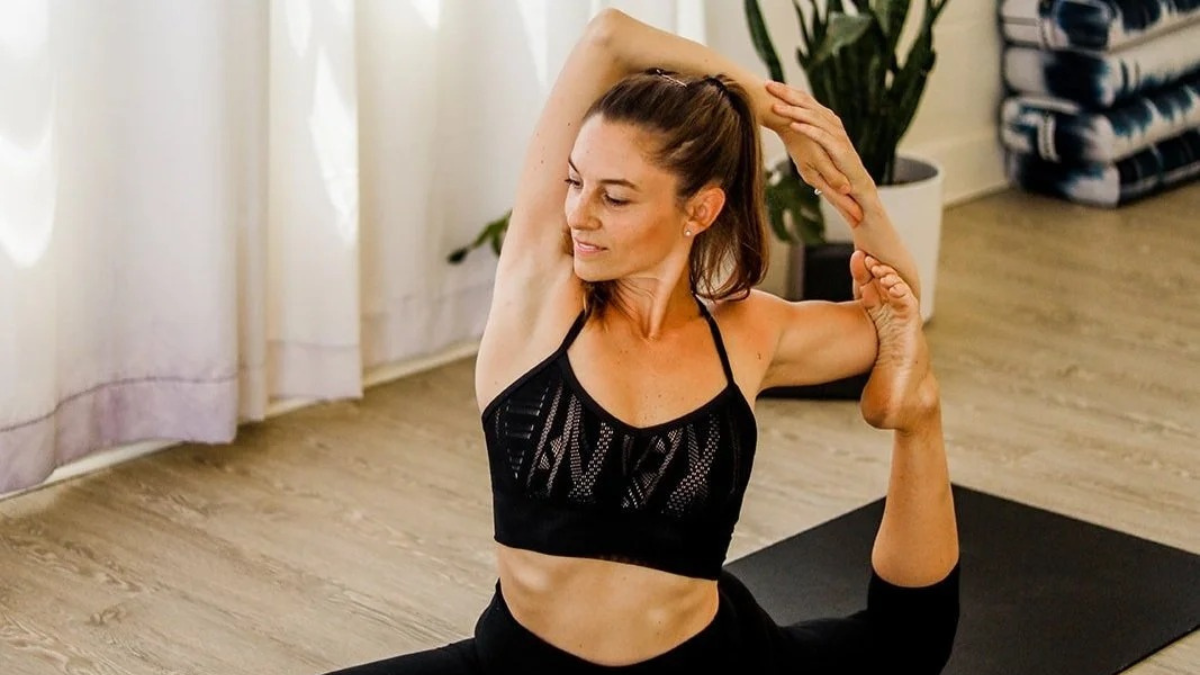
Tight hips are a very common problem today, especially for people who spend long hours sitting at desks, driving, or using computers. When the hip muscles remain inactive for extended periods, they become stiff and restricted. This stiffness can lead to discomfort in the lower back, knees, and even the shoulders.
Practicing yoga regularly can help release tension in the hips, improve flexibility, and increase mobility. However, it is important to approach hip-opening exercises carefully. Overstretching tight muscles can lead to injury rather than relief. The goal is to gently loosen the muscles and gradually improve flexibility.

In this article, we will explore 10 effective yoga poses that help loosen tight hips safely without overstretching. These poses are suitable for beginners and can help improve overall mobility while protecting the joints and muscles.
Why Hips Become Tight
Before exploring the yoga poses, it is helpful to understand why hips become tight in the first place.
1. Prolonged Sitting
Modern lifestyles involve long hours of sitting, whether at work, in cars, or at home. Sitting shortens the hip flexor muscles and reduces circulation, which leads to stiffness over time.
2. Lack of Movement
When the body does not move regularly, muscles lose their flexibility. The hip joints require movement to stay healthy and mobile.
3. Stress and Muscle Tension
Stress often causes the body to hold tension in certain areas, including the hips and lower back.
4. Poor Posture
Incorrect sitting or standing posture places additional strain on the hip muscles and joints.
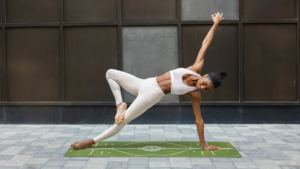
Practicing the right yoga poses can gradually restore balance and mobility in the hip area.
1. Bound Angle Pose (Baddha Konasana)
Bound Angle Pose is one of the most effective yoga poses for gently opening the hips.
How to Do It
Sit on the floor with your legs extended forward. Bend your knees and bring the soles of your feet together. Allow your knees to drop gently toward the floor while keeping your spine straight.
Hold your feet with your hands and sit tall. Avoid pressing your knees down forcefully.
Benefits
This pose gently stretches the inner thighs and improves hip flexibility. It also promotes better blood circulation in the pelvic area.
2. Low Lunge (Anjaneyasana)
Low Lunge helps stretch the hip flexors, which often become tight from sitting.
How to Do It
Start in a kneeling position. Step your right foot forward so the knee forms a 90-degree angle. Extend the left leg back with the knee resting on the floor.
Place your hands on your front thigh or raise them overhead. Keep your hips facing forward.
Benefits
This pose lengthens the hip flexors and strengthens the legs while improving balance and stability.
3. Figure Four Stretch
The Figure Four stretch is excellent for releasing tension in the outer hips and glutes.
How to Do It
Lie on your back with your knees bent. Cross your right ankle over your left thigh, creating a figure-four shape.
Hold the back of your left thigh and gently pull it toward your chest.
Benefits
This pose targets the glute muscles and helps relieve pressure in the lower back.
4. Pigeon Pose (Modified)
Pigeon Pose is well known for opening tight hips, but beginners should practice a modified version to avoid overstretching.
How to Do It
Start in a tabletop position. Bring your right knee forward toward your right wrist and extend the left leg back.
Keep your hips level and support yourself with your hands or forearms.
Benefits
This pose deeply stretches the hip rotators and helps improve overall hip mobility.
5. Garland Pose (Malasana)
Garland Pose is a natural squat that helps improve hip flexibility and ankle mobility.
How to Do It
Stand with your feet slightly wider than hip-width apart. Slowly lower your body into a deep squat while keeping your heels on the floor.
Bring your palms together at your chest and gently press your elbows against your knees.
Benefits
This pose strengthens the lower body and opens the hips while improving balance.
6. Happy Baby Pose (Ananda Balasana)
Happy Baby Pose is a gentle hip opener that relaxes the lower back and hips.
How to Do It
Lie on your back and bring your knees toward your chest. Hold the outer edges of your feet with your hands.
Gently pull your knees toward the floor beside your torso.
Benefits
This pose stretches the inner thighs and releases tension in the hips and spine.
7. Lizard Pose
Lizard Pose provides a deeper stretch for the hips while also strengthening the legs.
How to Do It
Begin in a plank position. Step your right foot outside your right hand. Lower your hips and rest on your hands or forearms.
Keep your back leg extended.
Benefits
This pose improves hip mobility and stretches the hip flexors and hamstrings.
8. Frog Pose (Gentle Variation)
Frog Pose targets the inner thighs and groin muscles.
How to Do It
Start on your hands and knees. Slowly widen your knees while keeping your ankles aligned with your knees.
Lower your hips slightly while keeping your core engaged.
Benefits
This pose releases tension in the inner hips and increases flexibility in the groin area.
9. Reclined Spinal Twist
Although primarily a spinal stretch, this pose also helps relax tight hips.
How to Do It
Lie on your back and bring your knees to your chest. Drop both knees to one side while keeping your shoulders on the floor.
Extend your arms out to the sides.
Benefits
This pose relieves tension in the lower back and hips while promoting relaxation.
10. Child’s Pose (Balasana)
Child’s Pose is a gentle resting posture that stretches the hips and lower back.
How to Do It
Kneel on the floor and sit back on your heels. Extend your arms forward and rest your forehead on the mat.
Allow your hips to relax toward your heels.
Benefits
This pose reduces stress, stretches the hips, and helps calm the mind.
Tips to Avoid Overstretching Your Hips
While yoga can be very beneficial, overstretching can cause injury. Follow these tips for safe practice.
Move Slowly
Always ease into each pose rather than forcing your body into position.
Listen to Your Body
If you feel sharp pain, stop immediately and adjust the pose.
Warm Up First
Gentle warm-up movements prepare the muscles for deeper stretches.
Stay Consistent
Regular practice is more effective than forcing deep stretches occasionally.
Use Props
Yoga blocks, cushions, and straps can provide support and make poses safer.
Benefits of Loosening Tight Hips
Improving hip mobility can have many positive effects on the body.
Reduced Lower Back Pain
Flexible hips reduce strain on the lower back.
Improved Posture
Balanced hip muscles help maintain proper posture.
Better Athletic Performance
Flexible hips improve movement efficiency in activities such as running and walking.
Increased Circulation
Hip-opening poses improve blood flow in the pelvic region.
Stress Relief
Yoga helps release stored tension in the body and promotes relaxation.
Conclusion
Tight hips are a common issue caused by modern sedentary lifestyles, stress, and lack of movement. Practicing yoga regularly can gently release tension and improve hip flexibility without risking injury.
The ten yoga poses described in this article provide a safe and effective way to loosen tight hips while maintaining proper alignment and muscle balance. By practicing these poses consistently and mindfully, you can improve mobility, reduce discomfort, and support overall physical health.
Remember that flexibility develops gradually. Instead of pushing your body too far, focus on steady progress and mindful movement. With patience and regular practice, your hips will become stronger, more flexible, and more comfortable in everyday activities.
Frequently Asked Questions (FAQ)
1. Why do hips become tight?
Hips often become tight due to prolonged sitting, lack of movement, poor posture, and muscle tension caused by stress.
2. How often should I practice hip-opening yoga poses?
Practicing these poses three to five times per week can gradually improve hip flexibility and mobility.
3. Can beginners practice these yoga poses?
Yes, the poses mentioned in this article are beginner-friendly and can be modified to suit different flexibility levels.
4. Is it normal to feel discomfort during hip stretches?
Mild stretching sensations are normal, but sharp pain is not. Always stop if you experience pain.
5. How long should I hold each pose?
Holding each pose for 20 to 60 seconds allows the muscles to relax and gradually stretch.
6. Can yoga help relieve lower back pain caused by tight hips?
Yes, many yoga poses that open the hips also reduce pressure on the lower back and improve spinal alignment.
7. How long does it take to loosen tight hips?
Improvement depends on consistency and individual flexibility. With regular practice, many people notice changes within a few weeks.